VAT on Renovating an Empty Home: The Reduced Rate Most Buyers Miss
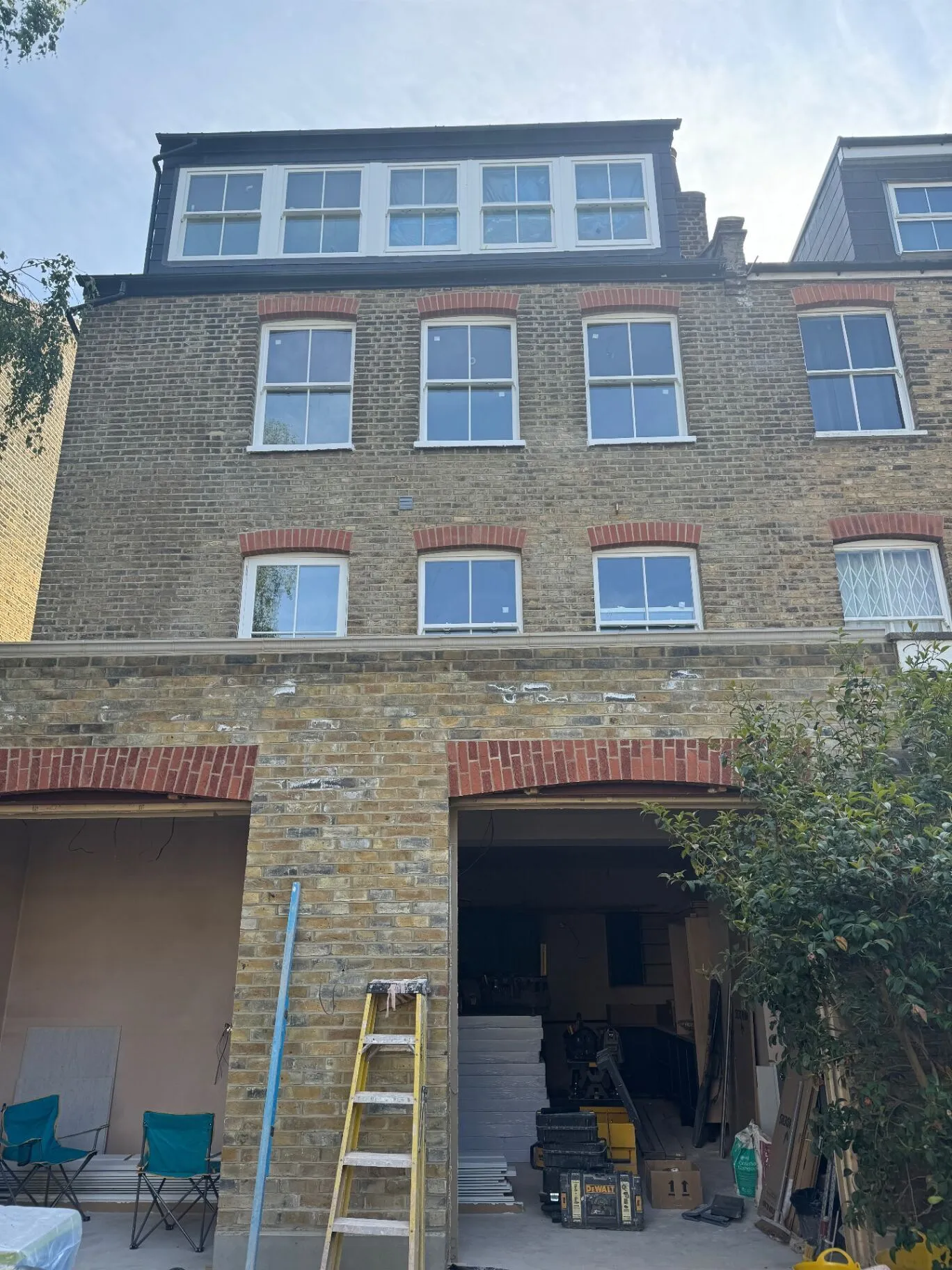
Most building work in the UK carries 20% VAT, but there's a widely underused reduced rate of 5% for renovating a property that's been empty for two years or more — a saving that can run into thousands of pounds on a substantial renovation, yet plenty of buyers and even some builders aren't aware it applies.
Who Qualifies
The core test is straightforward: the dwelling must have been empty for at least two years immediately before work starts. It doesn't matter why it was empty — probate delays, a failed sale, a landlord leaving it vacant, or simple neglect all qualify equally, provided you can evidence the vacancy period.
Evidencing the Vacancy Period
HMRC and your builder will want proof, typically from one or more of:
Council Tax records — the most commonly accepted evidence; a letter from the local authority confirming the empty homes period, or evidence of empty property premium charges, is usually sufficient.
Electoral roll records — showing no one was registered to vote at the address.
Utility company confirmation — evidence of no active accounts or minimal/zero usage over the period.
It's worth requesting this evidence early — during your purchase, if possible — since gathering it after work has already started under the wrong VAT rate is far more of a headache than sorting it upfront.
What Work Qualifies for the Reduced Rate
Most genuine renovation and repair work qualifies — rewiring, replumbing, kitchen and bathroom installation, replastering, roof repairs, and general refurbishment. It generally covers labour and materials supplied by the builder as part of the same job. It does not apply to separately purchased materials you buy yourself and supply to the builder, nor typically to standalone landscaping or purely cosmetic work unconnected to the main renovation.
How Much It Actually Saves
| Renovation cost (ex-VAT) | Standard 20% VAT | Reduced 5% VAT | Saving |
|---|---|---|---|
| £20,000 | £4,000 | £1,000 | £3,000 |
| £50,000 | £10,000 | £2,500 | £7,500 |
| £100,000 | £20,000 | £5,000 | £15,000 |
On a substantial whole-house renovation, this is genuinely one of the largest single savings available to a homeowner, and it's entirely legitimate — yet it's frequently missed simply because nobody in the chain thought to check the vacancy period.
Making Sure Your Builder Applies It Correctly
The reduced rate is applied by the builder on their invoices — it's not something you claim back afterwards through a rebate process, which makes it important to raise before work starts and agree it in the written quote. A VAT-registered builder should be familiar with the rule, but it's worth confirming explicitly rather than assuming, since getting it wrong (either overcharging you, or wrongly applying the reduced rate and creating an HMRC liability) is a real risk either way.
How Chat to Your Builder Helps
For £59, we'll help you check whether your renovation project qualifies for the reduced VAT rate, what evidence to gather, and how to make sure it's correctly reflected in your builder's quote before work starts.
We've helped buyers plan renovations on long-empty properties across Portsmouth, Plymouth, Coventry, Derby and Worcester. See our related guide on how much it costs to renovate a house.
Book your consultation today and make sure you're not overpaying VAT on your renovation.
Frequently asked questions
How long does a property need to be empty for reduced VAT to apply?
At least two years immediately before the renovation work starts. There's no requirement around why it was empty — probate, a chain collapse, or simple neglect all count equally, as long as you can evidence the vacancy period.
Do I claim the VAT saving back myself?
No — the reduced 5% rate is applied directly by your builder on their invoices, not claimed back afterwards. This is exactly why it needs to be agreed and confirmed in your written quote before work starts, rather than assumed or sorted out later.
What if my builder isn't VAT registered?
If your builder isn't VAT registered, they don't charge VAT at all regardless of the property's vacancy status, so the reduced rate becomes irrelevant for their portion of the work — though it's still worth checking if you're separately using a VAT-registered subcontractor or supplier for part of the job.
Work it out yourself
Free tools built on real 2026 builder rates. No sign-up, no email.