How long do searches take? Use the wait to plan and cost your works
How long each conveyancing search usually takes, why some councils are slow, and an eight-step builder's plan for using the wait to prioritise, sequence and budget your works.
The questions buyers ask us every week, answered properly — by builders, not content writers.

Buying alone and stuck on a survey full of red 3s? A builder explains which common defects matter, what to ask the seller and when to renegotiate or walk away.
Read the article →
How long each conveyancing search usually takes, why some councils are slow, and an eight-step builder's plan for using the wait to prioritise, sequence and budget your works.

Preliminaries cover scaffolding, skips, welfare, insurance and supervision. What is normal on a UK home job, the red flags, and what to ask before you sign.
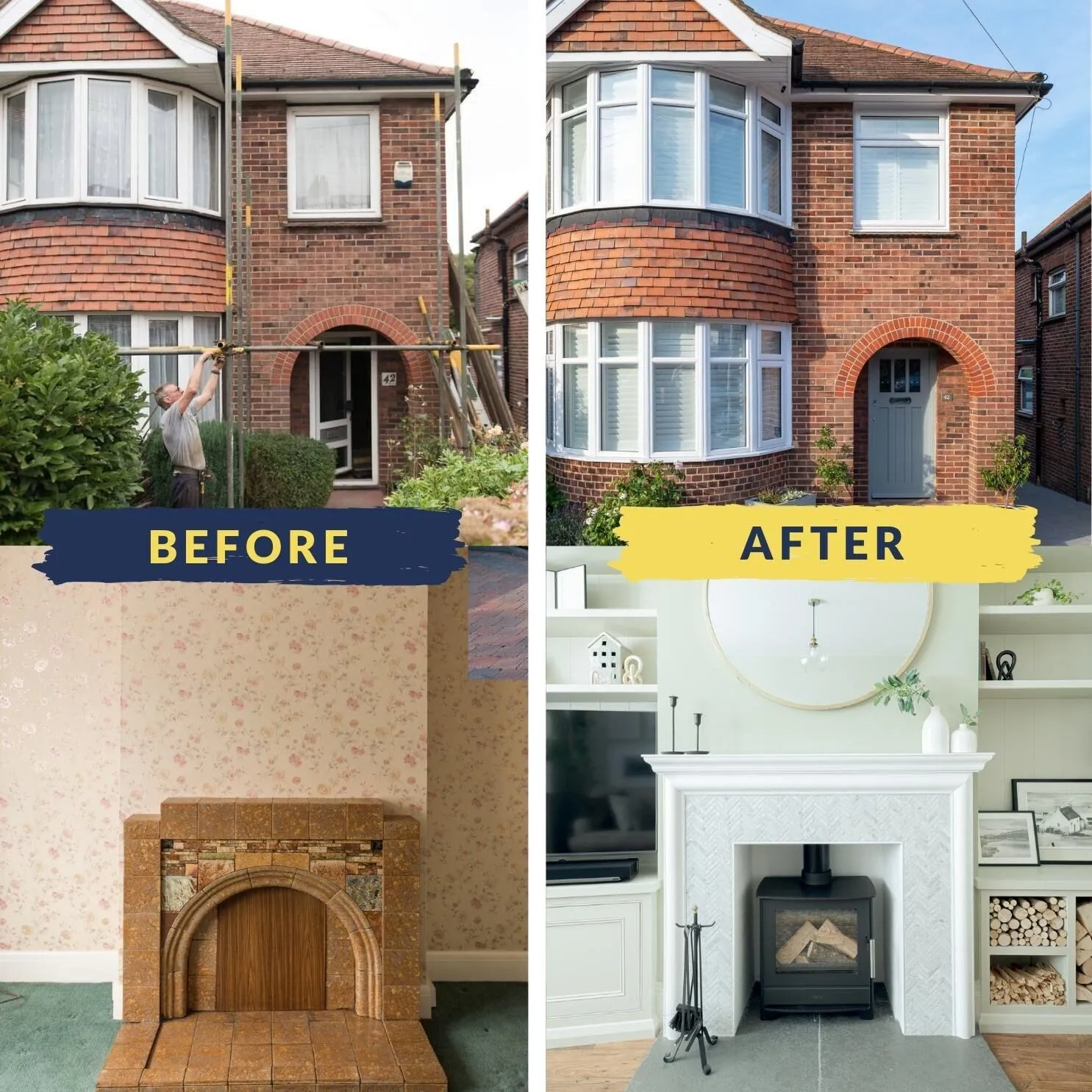
Three quotes, three very different prices? Why builder quotes vary so much, how to compare them like for like, and when the cheapest is a warning.
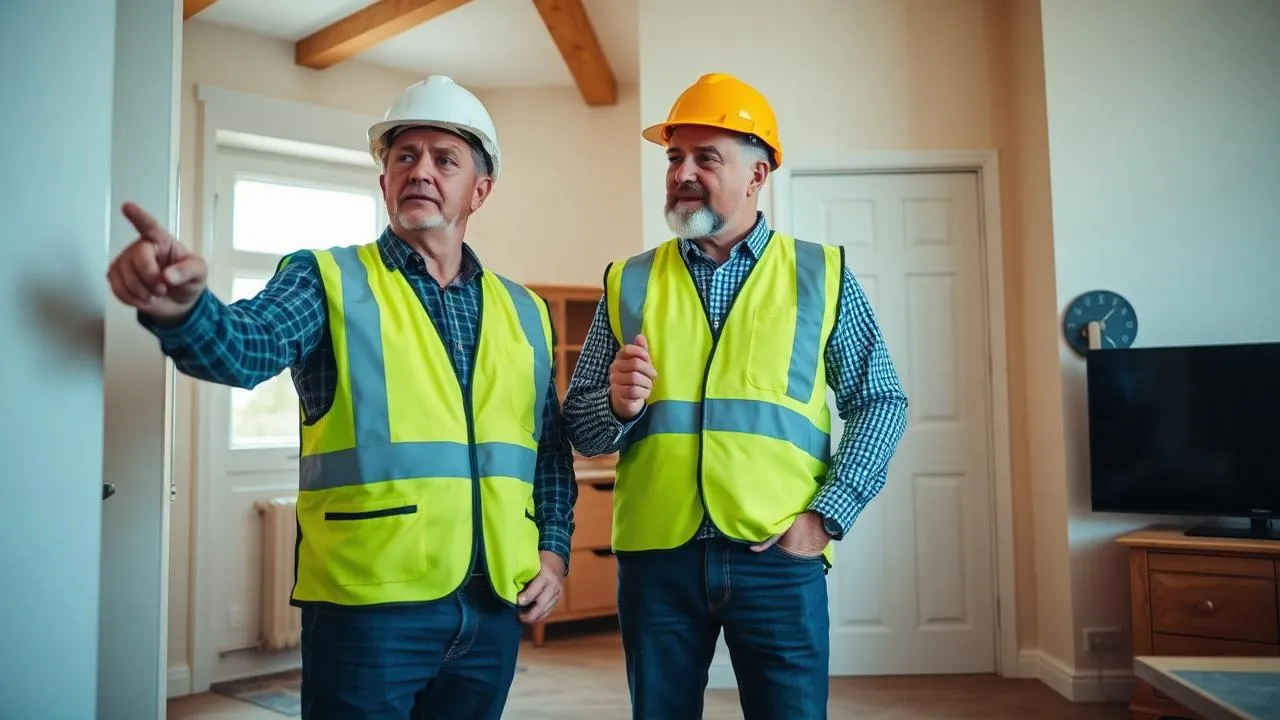
A deposit of 5-10% is normal on UK home jobs. What to do if a builder wants 25%, 30% or 50%, and how to structure stage payments safely.
Quote or estimate? When a builder's price becomes binding, how long it stays valid, and what to pin down before you accept. Practical guidance, not legal advice.
When a fixed quote should hold, when extras are fair, and what to do if the bill climbs mid-job. Practical guidance, not legal advice.
How to read VAT on a builder's quote, the £90,000 threshold, and how to compare a VAT-registered builder with one who is not. Different from the 5% empty-home rate.
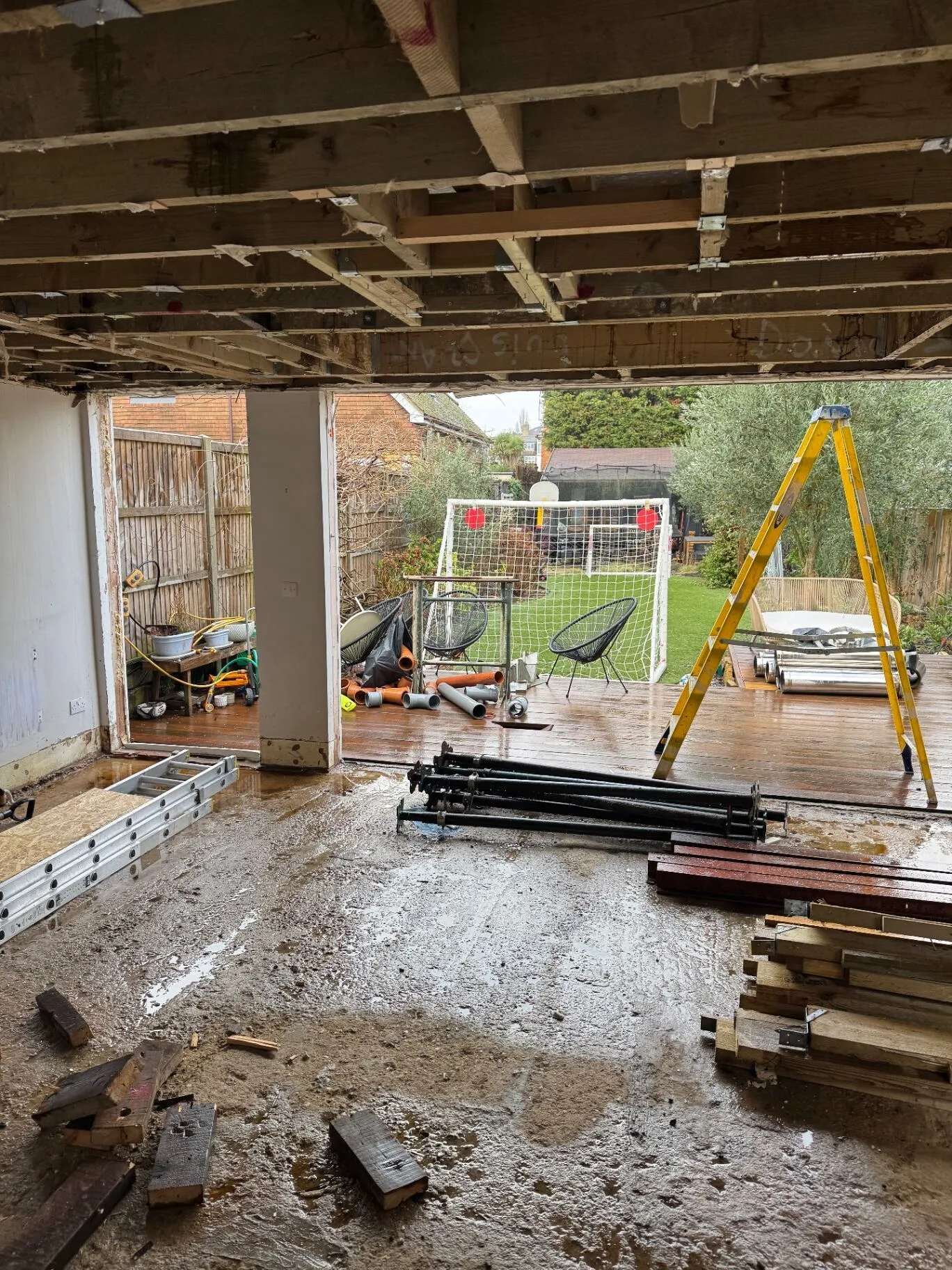
Provisional sums and PC sums are allowances, not fixed prices. How they differ, whether margin is included, and what to ask before you sign.
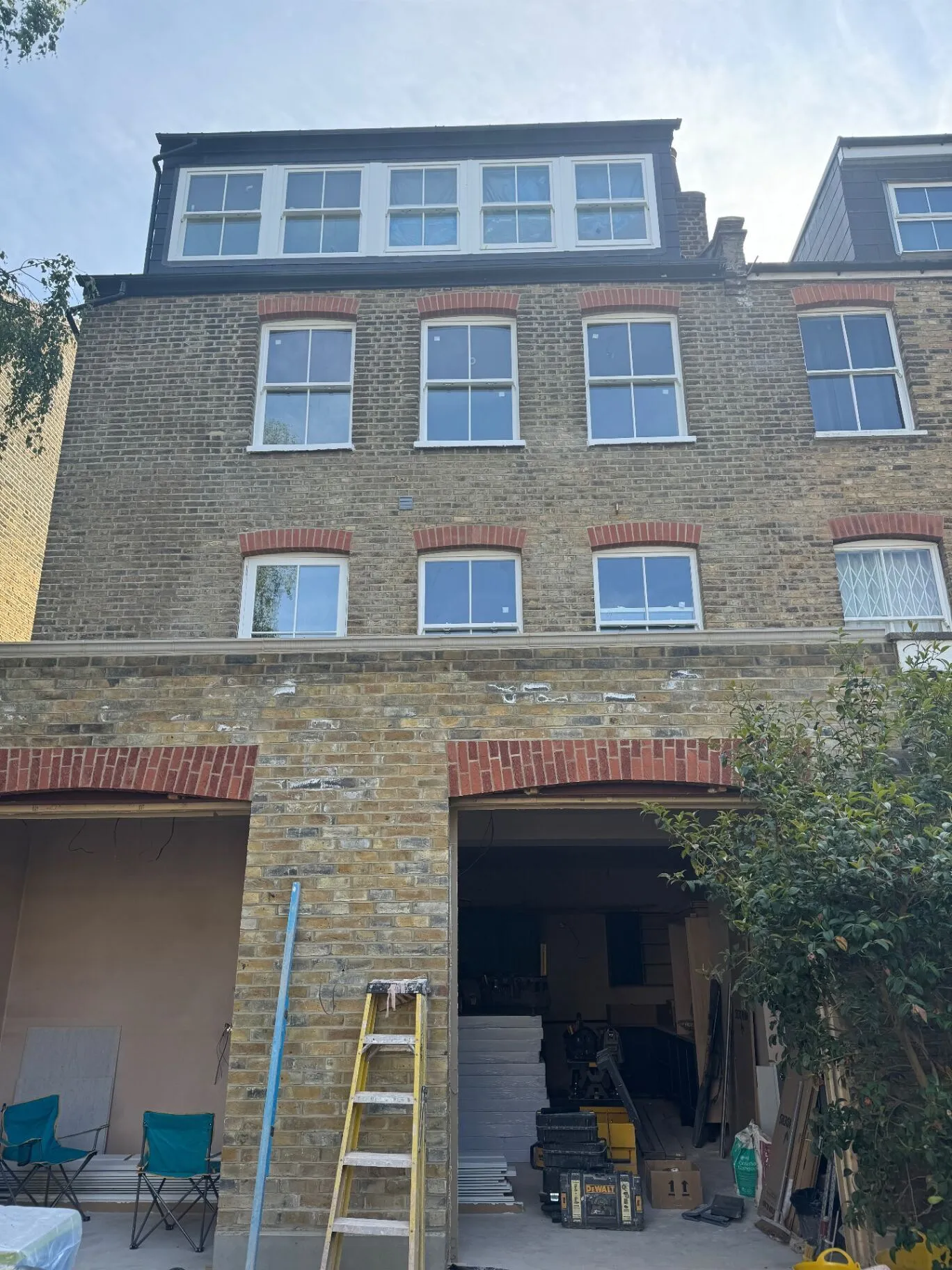
Hold about 10% of build cost, or 15% for pre-war and high-uncertainty jobs. Contingency is your reserve, not the builder's spending pot.
What a schedule of works is, why it makes builder quotes comparable, and a free CSV template you can download or print.
When a fixed price protects you, when day rate is fair, and the hybrid approach that suits most real jobs. No invented day-rate figures.
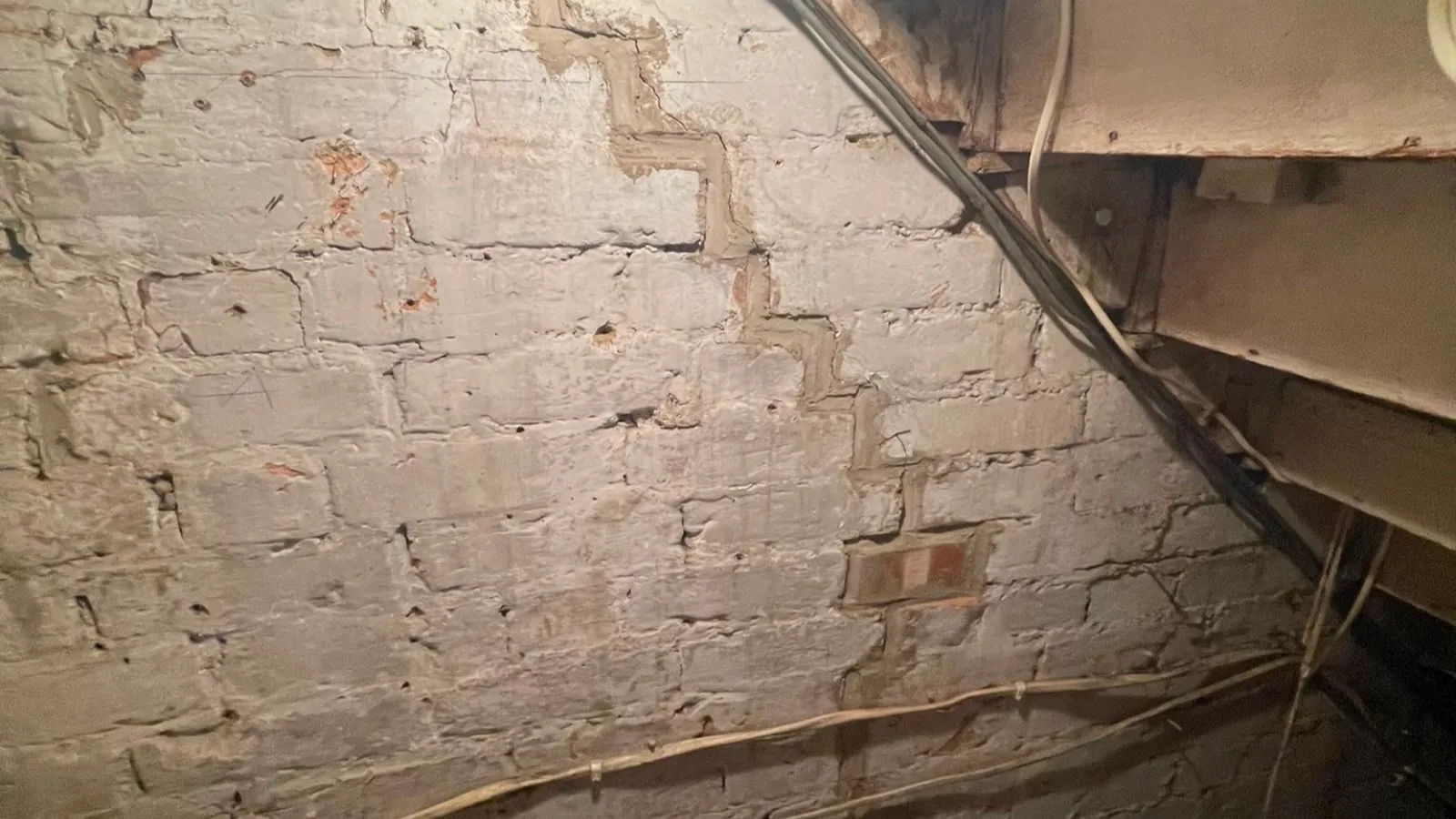
Summer 2026 was the UK's warmest on record, and clay soils have shrunk. A builder explains how to tell a seasonal crack from subsidence, when it is safe to wait for winter, and what each outcome costs.
Meter readings and the council are the easy part. This is the first-home checklist written from the building's point of view.
The rating that makes buyers panic, explained by someone who prices the work. What Conditions Ratings 1, 2 and 3 commit a surveyor to, why your report has more 3s than you expected, and the three questions that sort the serious ones from the rest.
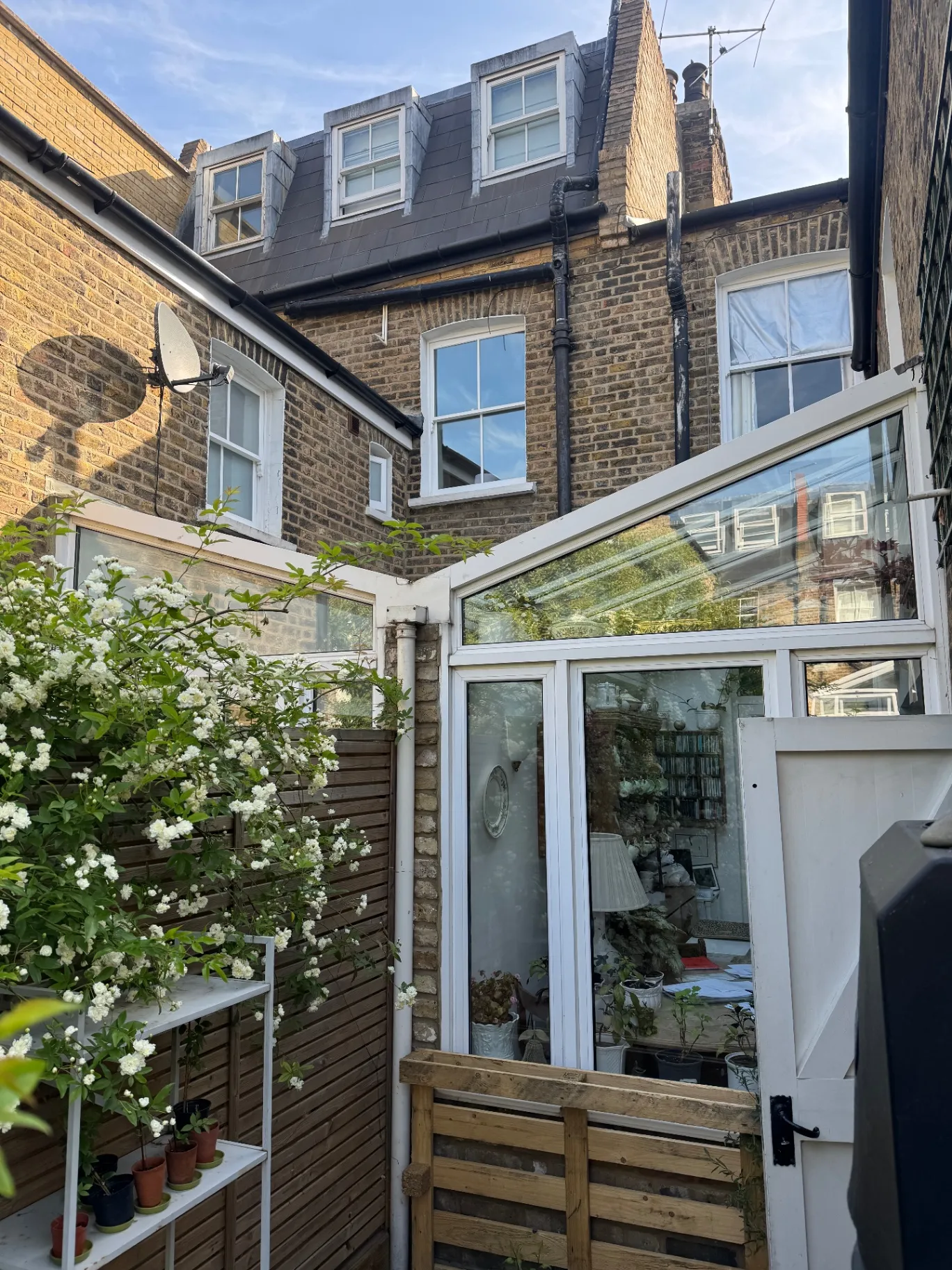
The finding where the seller's quick fix helps you least. What an indemnity policy actually covers, what regularisation really costs, and how to tell which situation you are in before you decide.
It appears on most RICS surveys of anything built before 2000 and it is usually the least consequential line in the report. How to tell bonded from friable, what testing and removal cost, and when the right answer is to leave it alone.
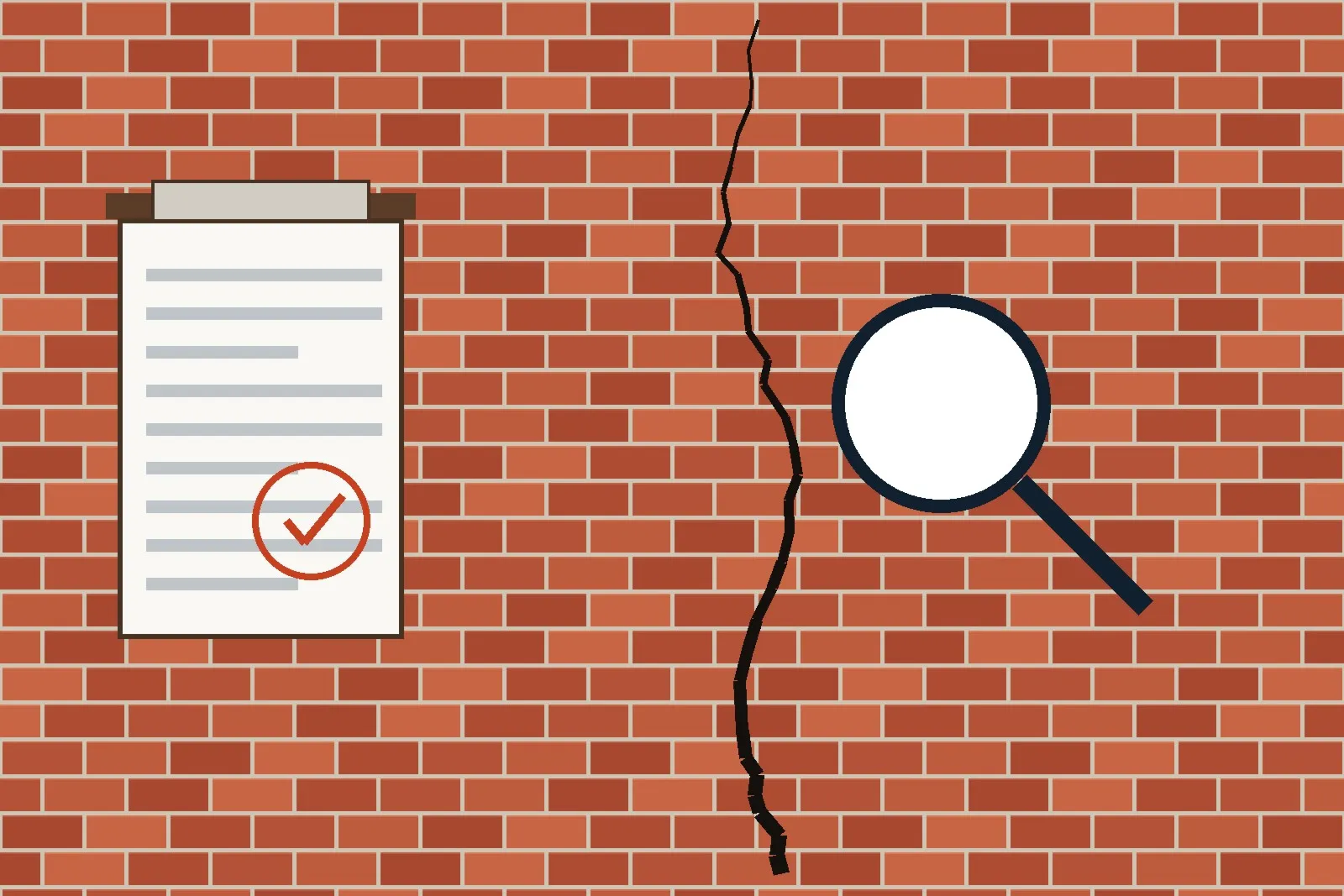
The most common recommendation in a UK RICS survey, and the one nobody prices. Here are the eight investigations surveyors ask for, what each costs in 2026, what it settles, and which ones you can decline.
Before you sign anything, run these four checks: Companies House, a face-to-face visit to a previous job, a capped deposit, and verified trade qualifications.
Your RICS survey lists the defects but never the cost — and the cost is the only number you can negotiate with. Here's what buyers realistically get off, how to build a costed schedule, and the exact wording to send the agent.
Most homeowners who feel overcharged were not overcharged — the quote was incomplete. How to tell a genuine rip-off from work that was never priced, what is usually missing, and how to raise it without wrecking the relationship.
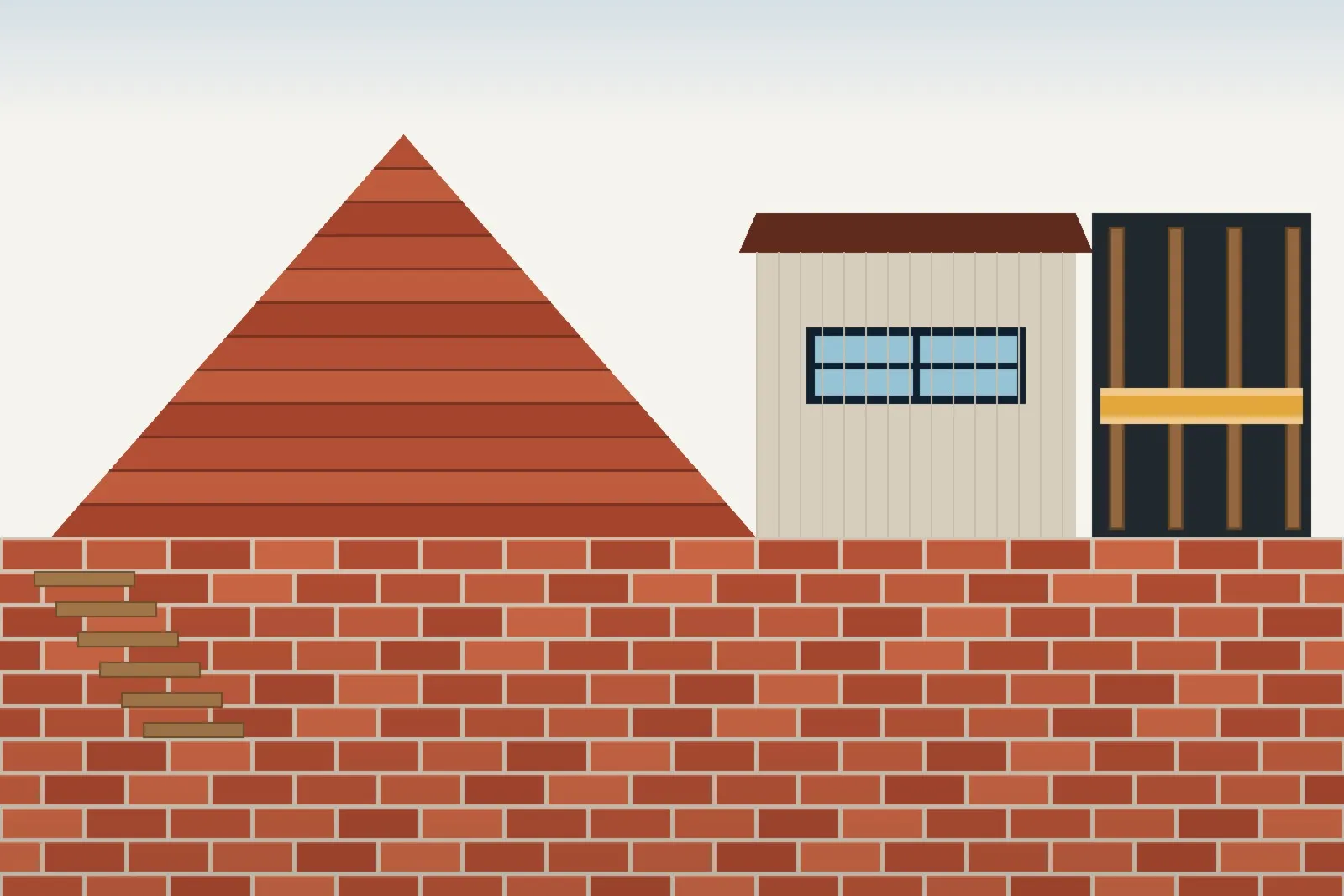
Most loft conversions run late for the same reason: things were done in the wrong order. Here's the correct sequence, from drawings and planning through to building control.
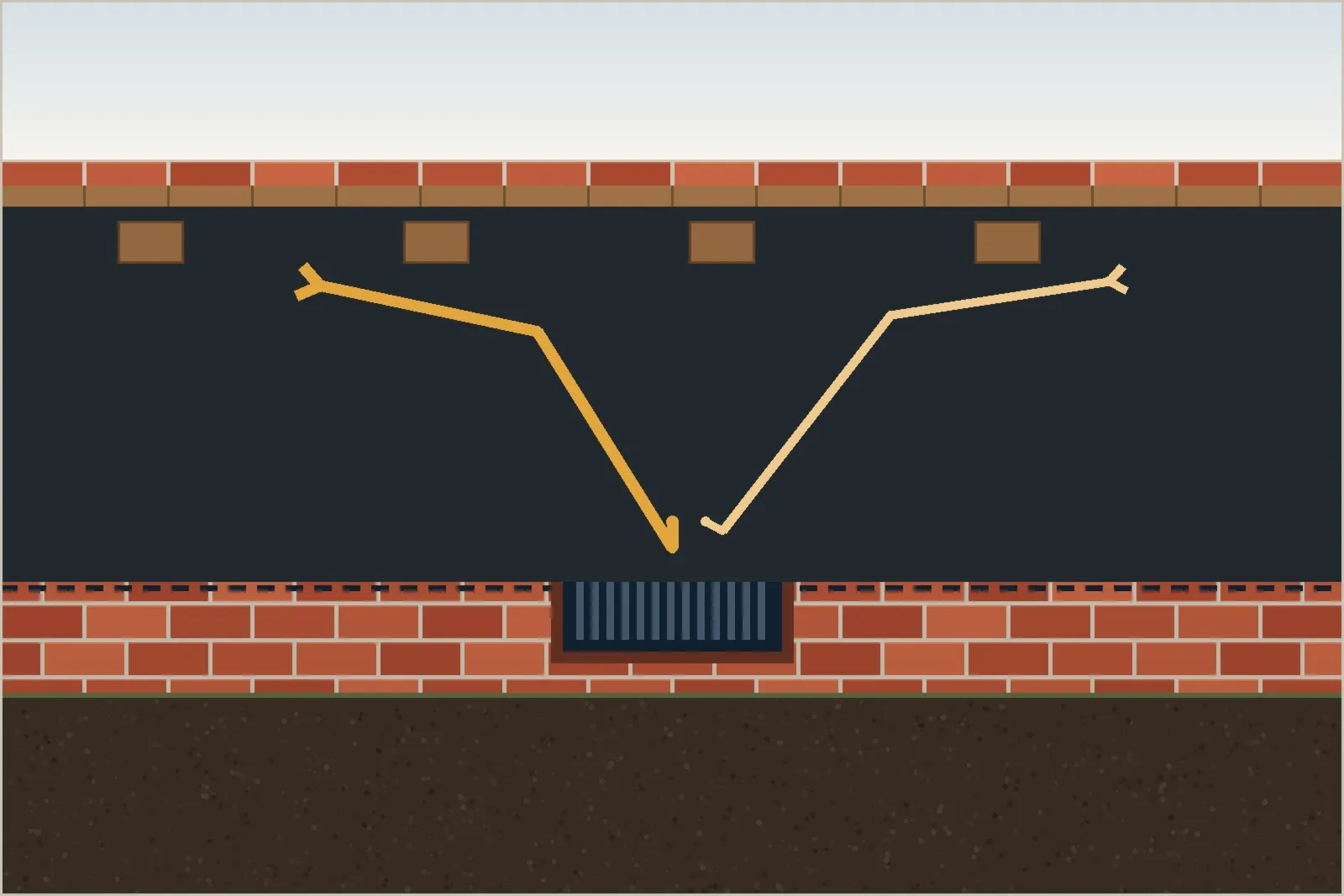
Air bricks look like spare holes in the wall, but on a house with a suspended timber floor they're doing an important job. Here's what they do, how they get blocked, and a five-minute check for yours.
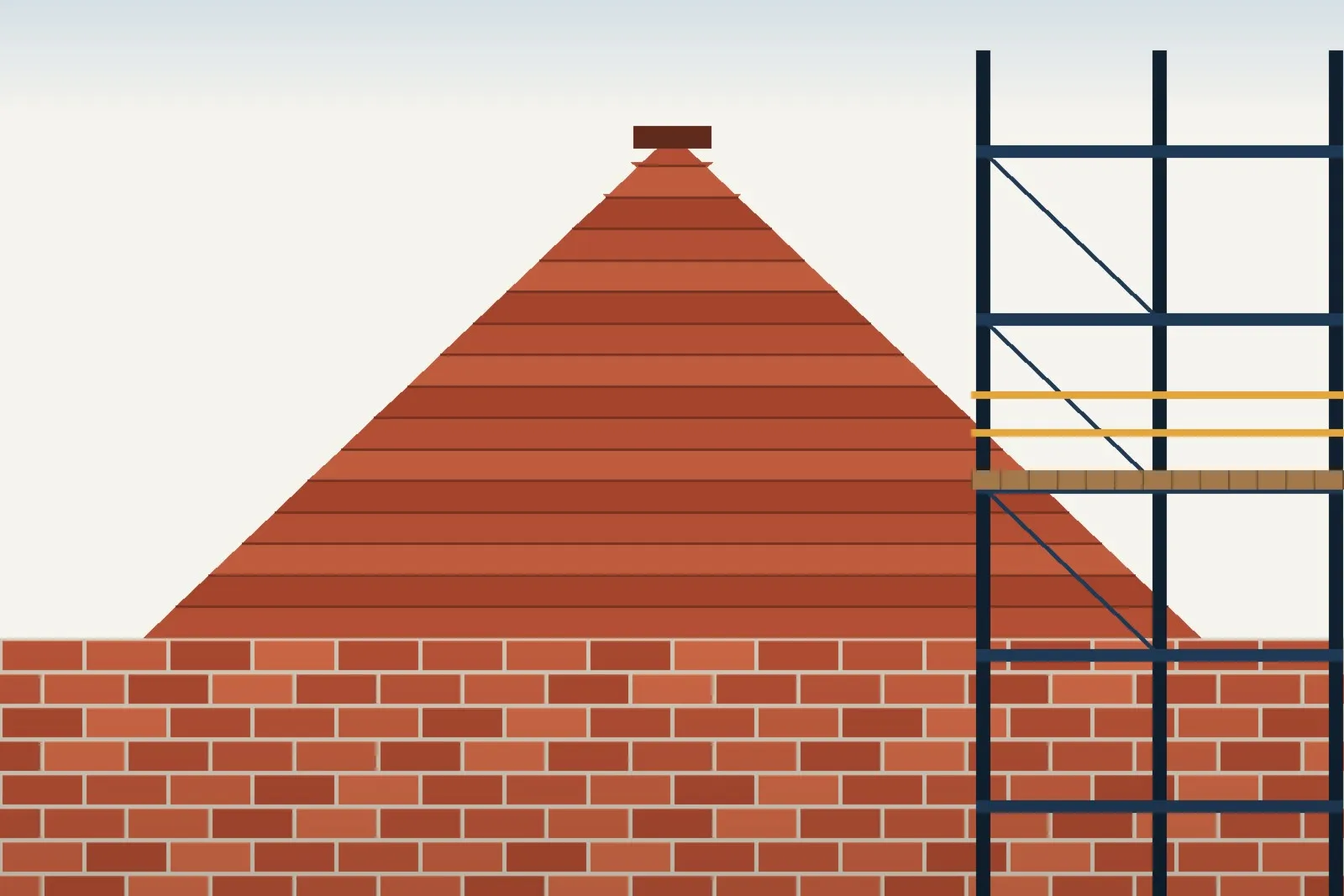
A re-roof quote swings wildly because it's priced by area, material and everything else that happens to be up on the scaffold at the same time. Here's what each part actually costs.
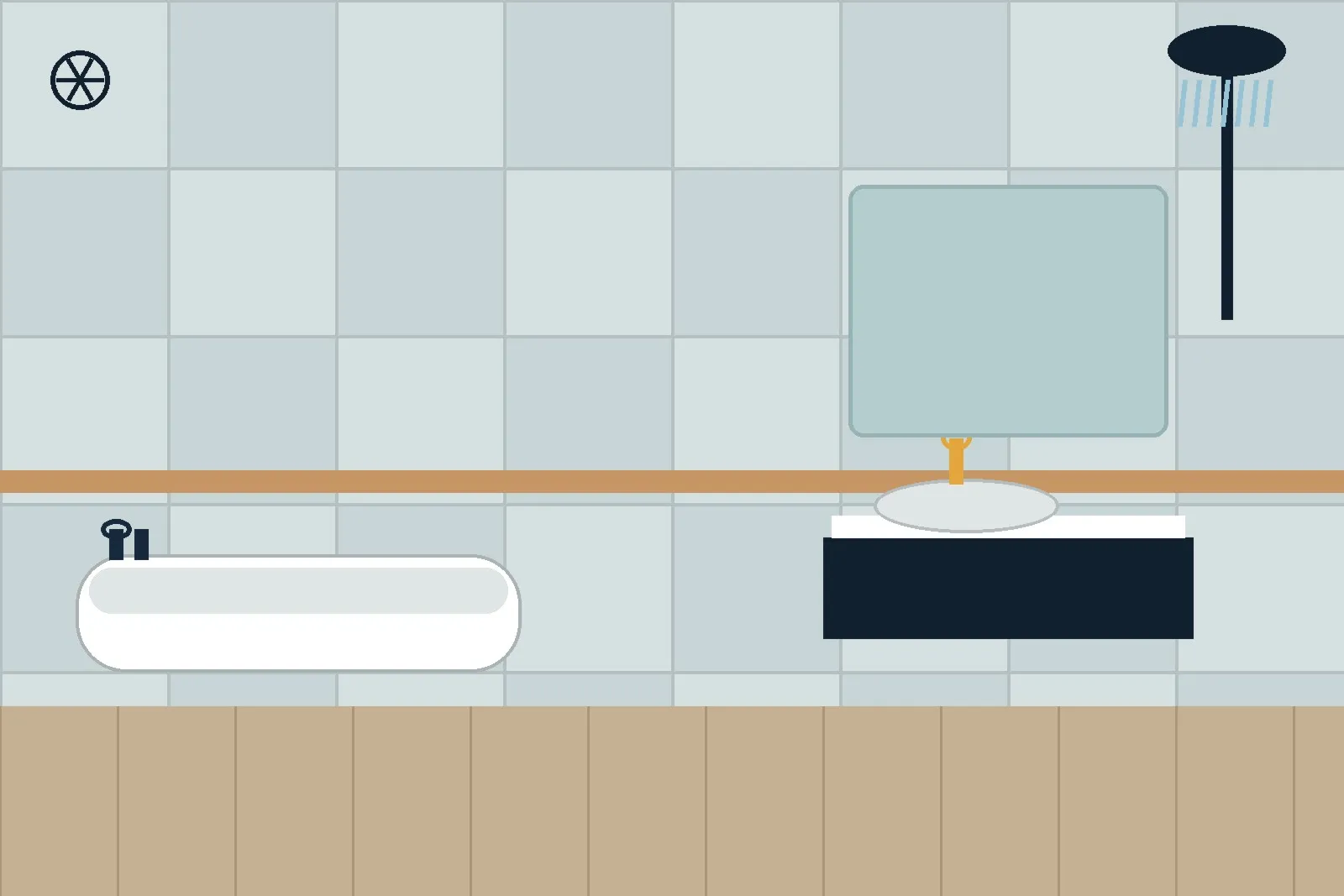
"Bathroom renovation" covers everything from swapping a tap to building one from scratch in a bedroom. Here's what each scope actually costs, and which extras aren't worth skipping.
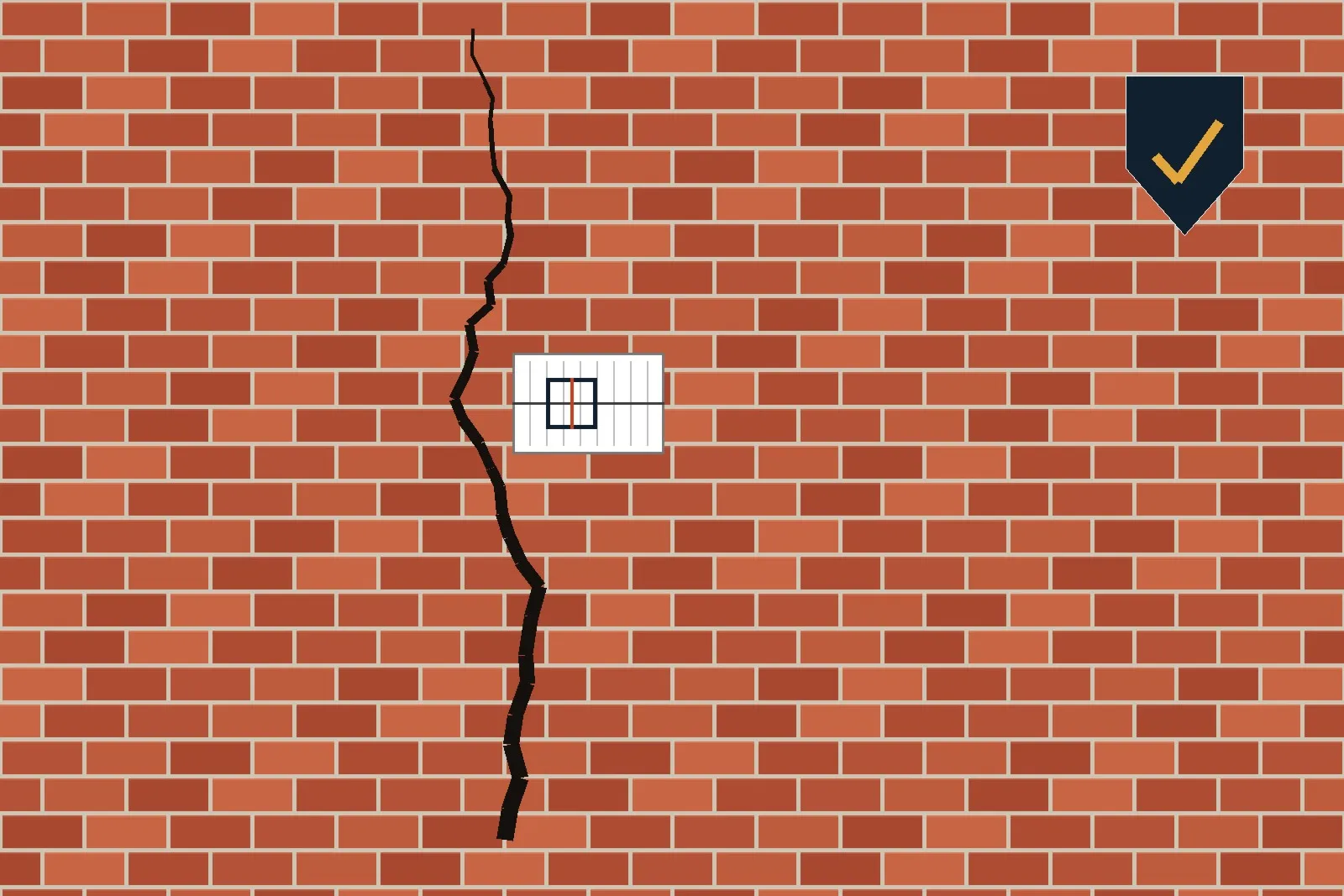
One of the most common questions after a RICS survey mentions possible subsidence isn't "how much will it cost to fix" — it's "will I even be able to insure this house." Here's how it actually works.
"Get a structural engineer's report" is common advice after a RICS survey flags movement — but most people commissioning one for the first time don't know what they're paying for.
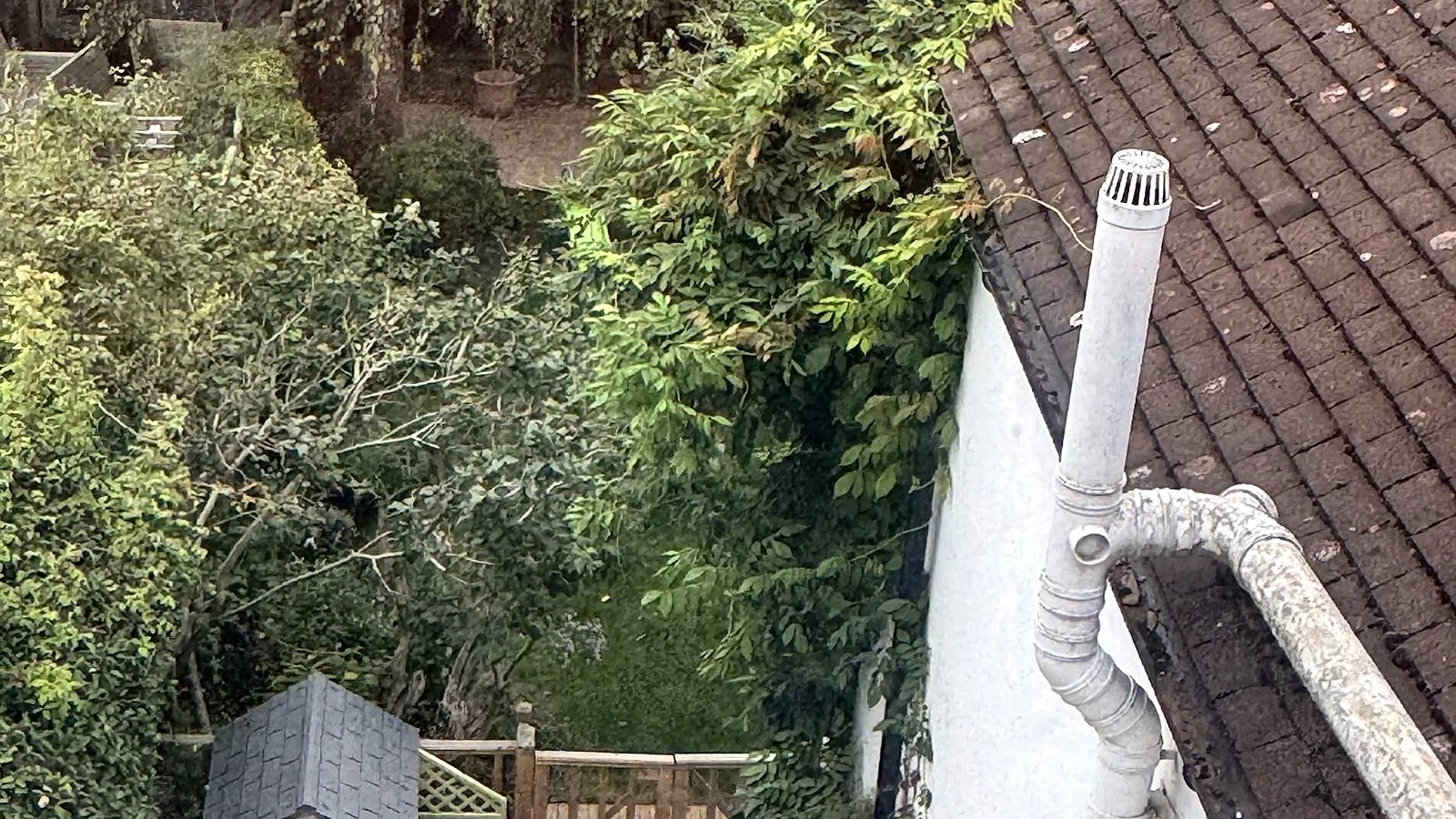
Before you spend thousands on damp treatment, look outside. Gutters, downpipes and drainage cause more damp in UK homes than rising damp does. Here's what a builder looks for, and what fixing it costs.
Buying a property that's been empty for 2+ years? You may qualify for 5% VAT on renovation work instead of 20% — here's how it works and what to check.
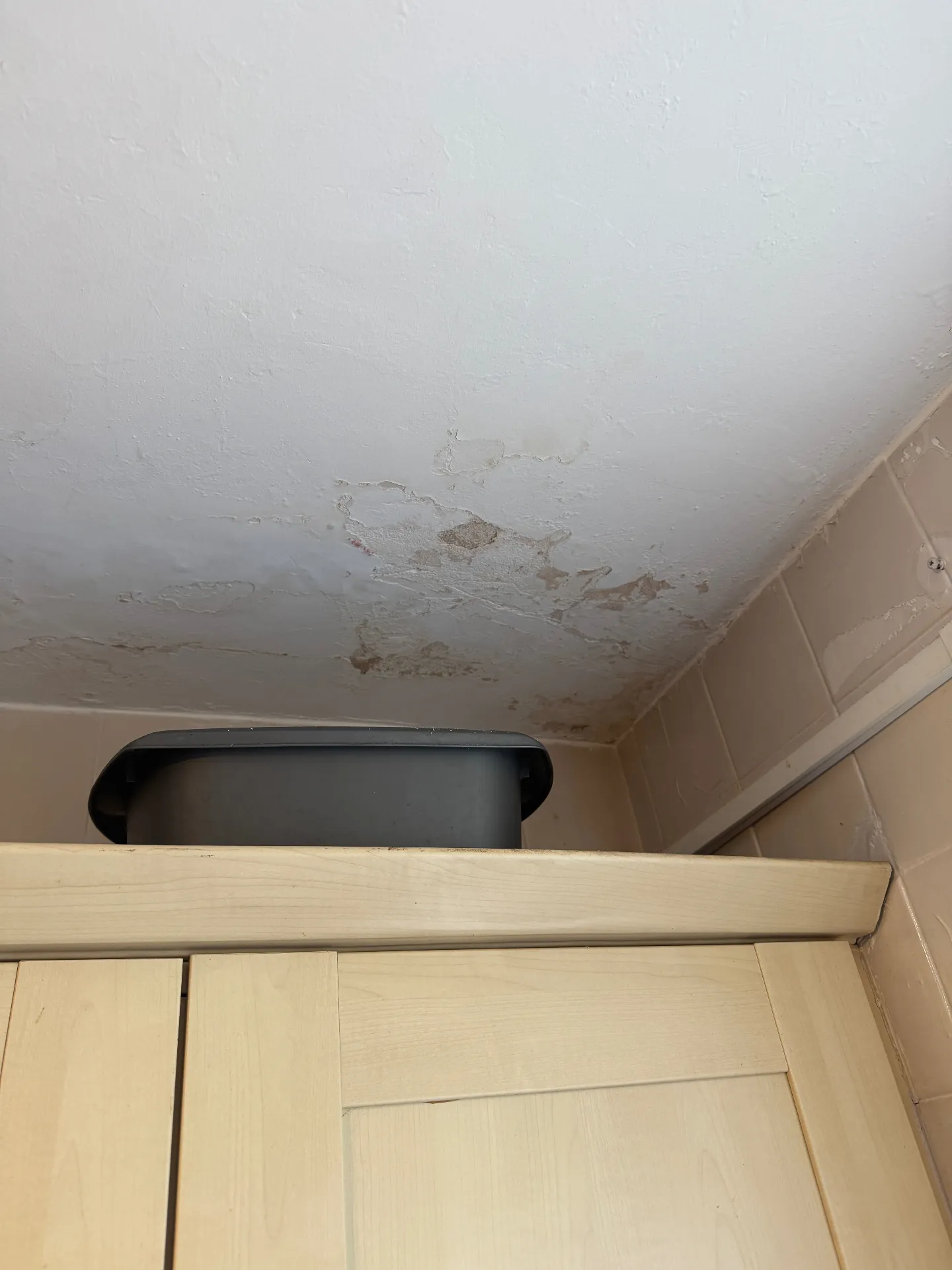
Damp patches and cold spots years after cavity wall insulation was installed usually mean it's failed. Here's what RICS surveys flag and what remedial work costs.
Paying a builder in one lump sum upfront is one of the most common ways homeowners lose money. Here's how to structure stage payments properly.
New doesn't mean defect-free. Here's what a snagging survey covers, when to book one, and what's reasonable to expect a developer to fix.
Building an extension or loft conversion near a shared boundary? Here's when you need a Party Wall Agreement, what it costs, and what happens if you skip it.
Three builders, three very different prices for what looks like the same job. Here's exactly what to check in a builder's quote before you accept it — and what the cheapest price is often hiding.
Rooflight, dormer, hip-to-gable or mansard — loft conversion costs vary hugely by type. Here's a realistic 2026 breakdown by conversion type, region and what's usually excluded.
Most buyers book a RICS survey after their offer is accepted — by which point they've lost their leverage. Here's why builder advice belongs before the offer, not after.
Sticking doors, worn thresholds and draughty frames are common RICS survey notes — here's what they actually mean and what fixing them costs.
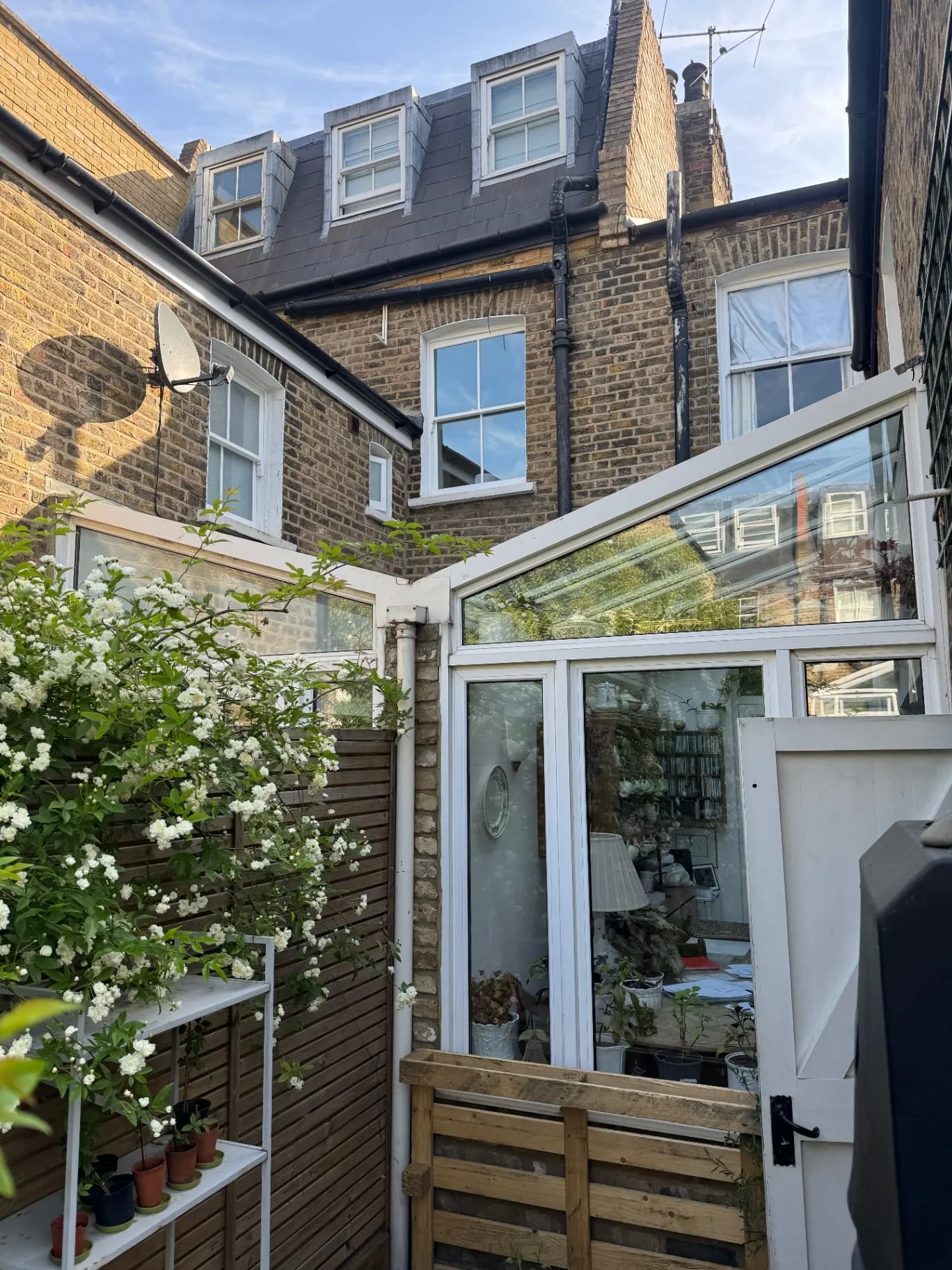
Planning to buy a fixer-upper? Discover the real cost of renovating a house in the UK in 2026, from cosmetic refreshes to full structural renovations.
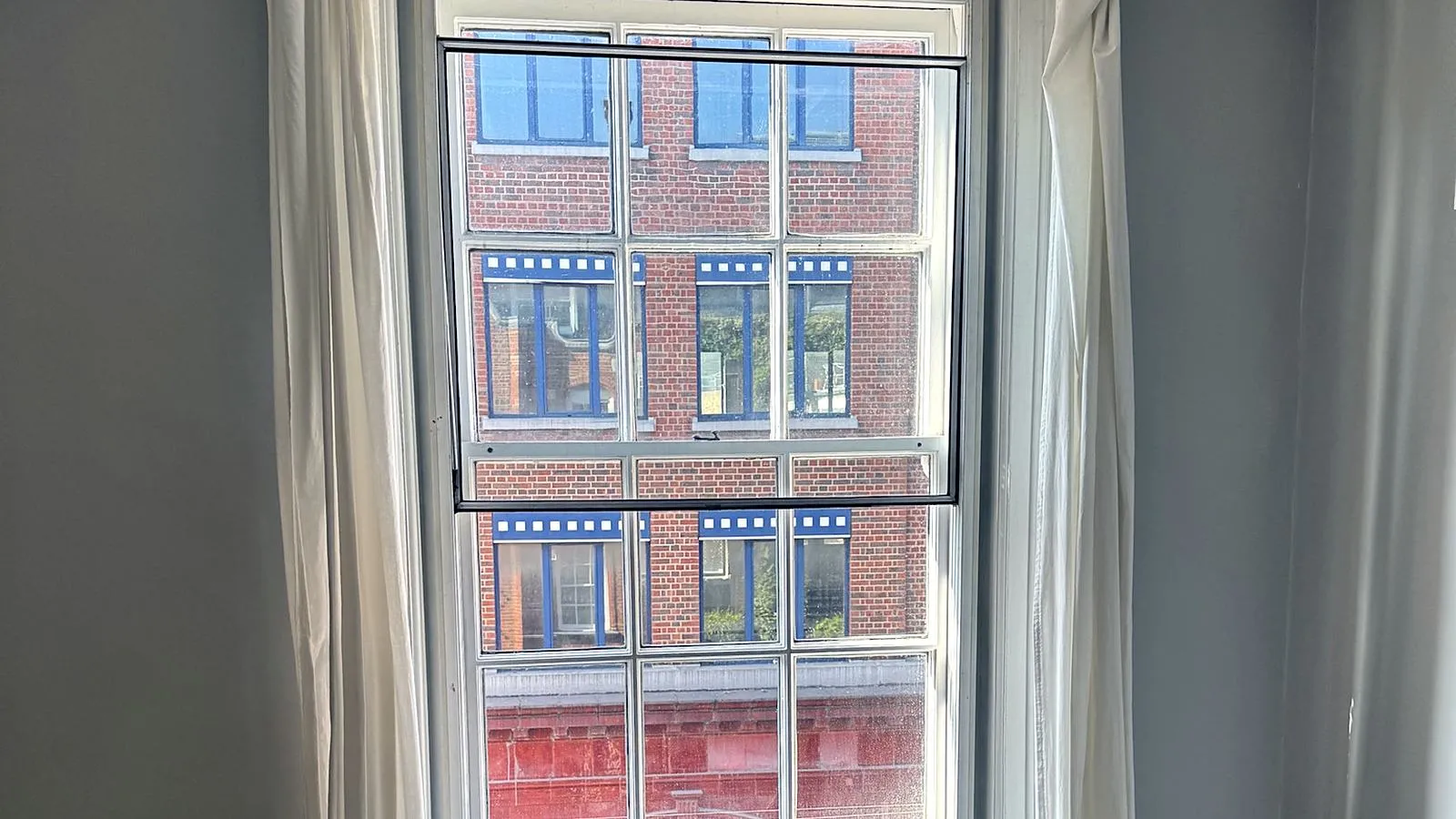
Single glazing gets flagged on almost every older RICS survey — but is it a real problem, or just a note? Here's how to weigh it up properly.
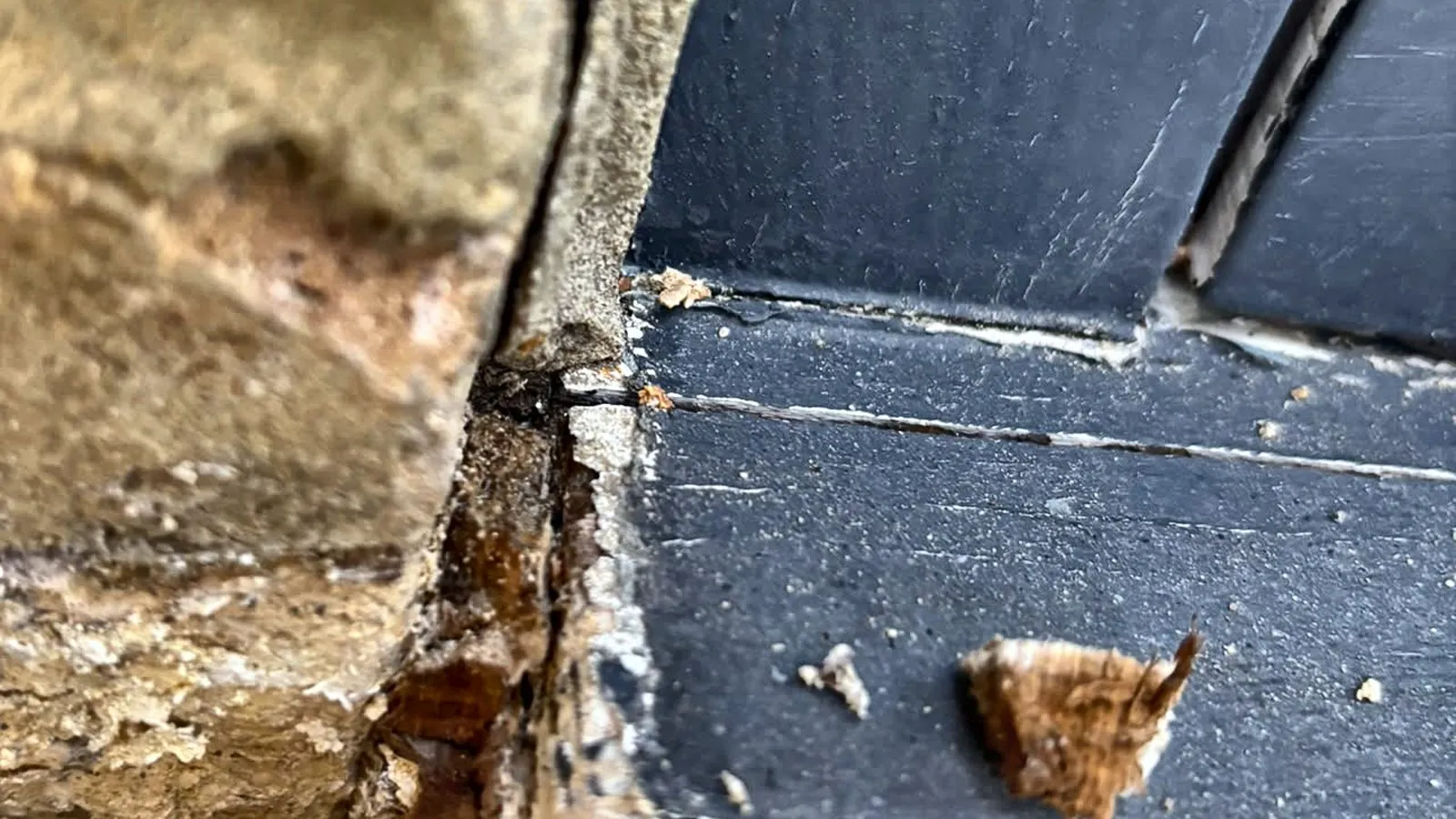
A RICS survey flags rotten window frames — but does that mean full replacement, or can they be repaired? Here's how to tell, and realistic costs either way.
A working boiler at a viewing doesn't tell you much about its age, efficiency or safety. Here's what to check on heating and gas safety before you offer.
Not all old-looking wiring needs replacing immediately. Here's how to identify what type of wiring a property actually has, and what it means for cost and safety.
An EICR uses codes (C1, C2, C3, FI) that sound cryptic but tell you exactly how urgent an electrical issue is. Here's how to read one before you buy.
Radon gas sounds alarming but is a normal, manageable consideration in parts of the UK. Here's what a radon finding on your RICS survey actually means.
A property can look perfectly dry and still sit in a high flood risk zone. Here's how to check flood risk properly before you offer, and what it means for insurance.
Japanese knotweed can genuinely derail a mortgage application — but the risk depends heavily on distance and management, not just presence. Here's how it actually works.
The seller says the woodworm or damp was ‘treated with a guarantee’ — but is that guarantee actually worth anything to you as the new owner?
Dry rot has a fearsome reputation and a fearsome price tag to match — but is that really what your RICS survey found? Here's how to tell wet rot and dry rot apart.
Your RICS survey mentions woodworm — but are the beetles still active, or are you looking at decades-old damage? Here's how to tell, and what treatment actually costs.
Underpinning is the most feared word in a RICS survey report — and one of the most over-recommended repairs. Here's when it's genuinely necessary and what it costs.
Cracking around a bay window is one of the most common RICS survey findings on Victorian and Edwardian terraces. Here's why it happens and what repairs actually cost.
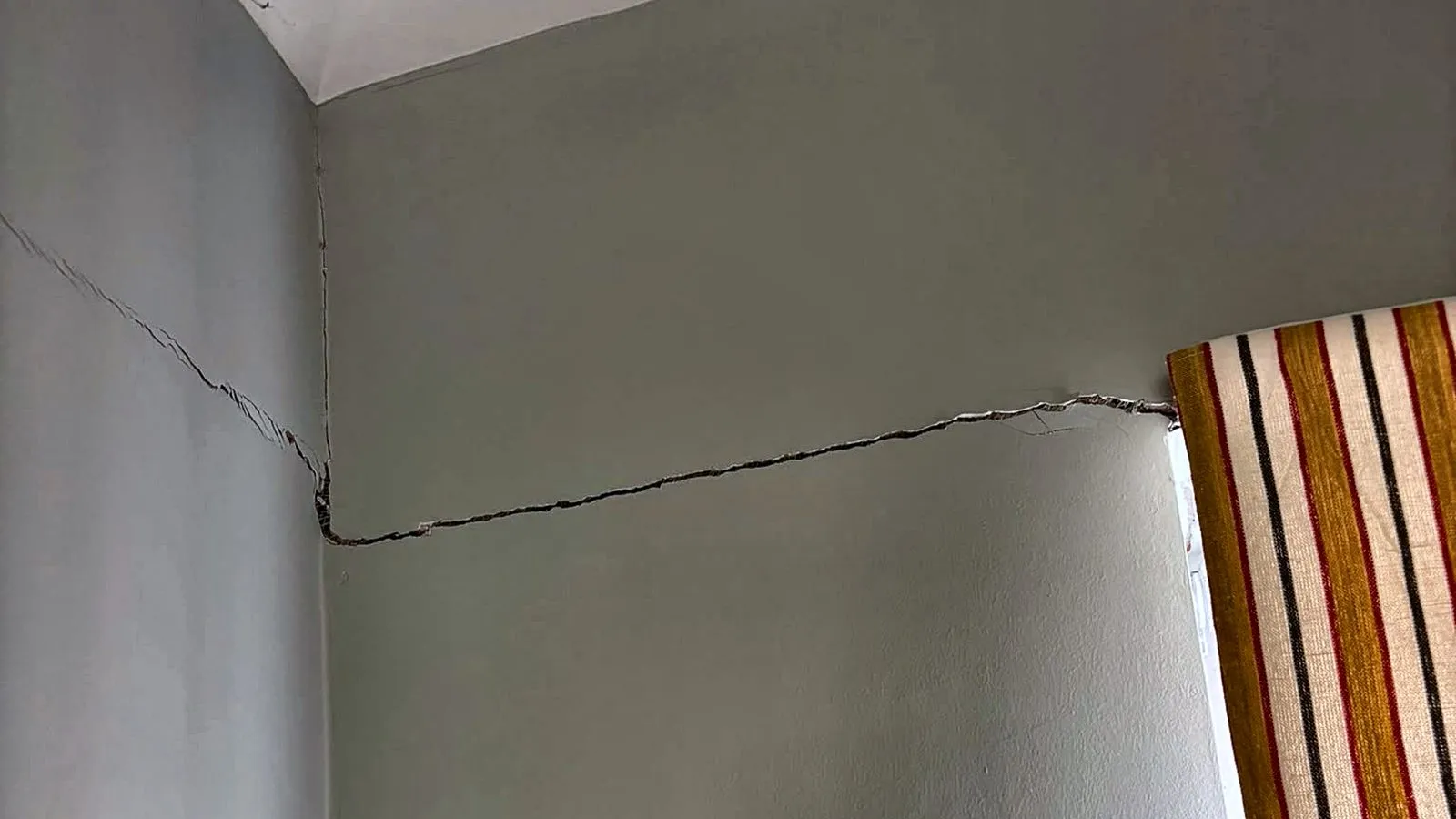
Not every crack means subsidence. Here's how to tell subsidence, historic settlement and thermal movement apart — and why the difference changes everything.
Damp survey quotes can range from £500 to over £10,000 for what sounds like the same problem. Here's what actually drives the cost and how to tell if a quote is fair.
Black mould in the corners, condensation on the windows — it's the most common damp problem in UK homes and usually the cheapest to fix. Here's how.
Your RICS survey flags damp — but is it rising, penetrating, or condensation? The distinction changes the diagnosis, the fix and the cost. Here's how to tell them apart.
Your RICS survey says the roof covering is ‘aged’ or ‘approaching the end of its serviceable life’ — how urgent is that really, and what should you budget?
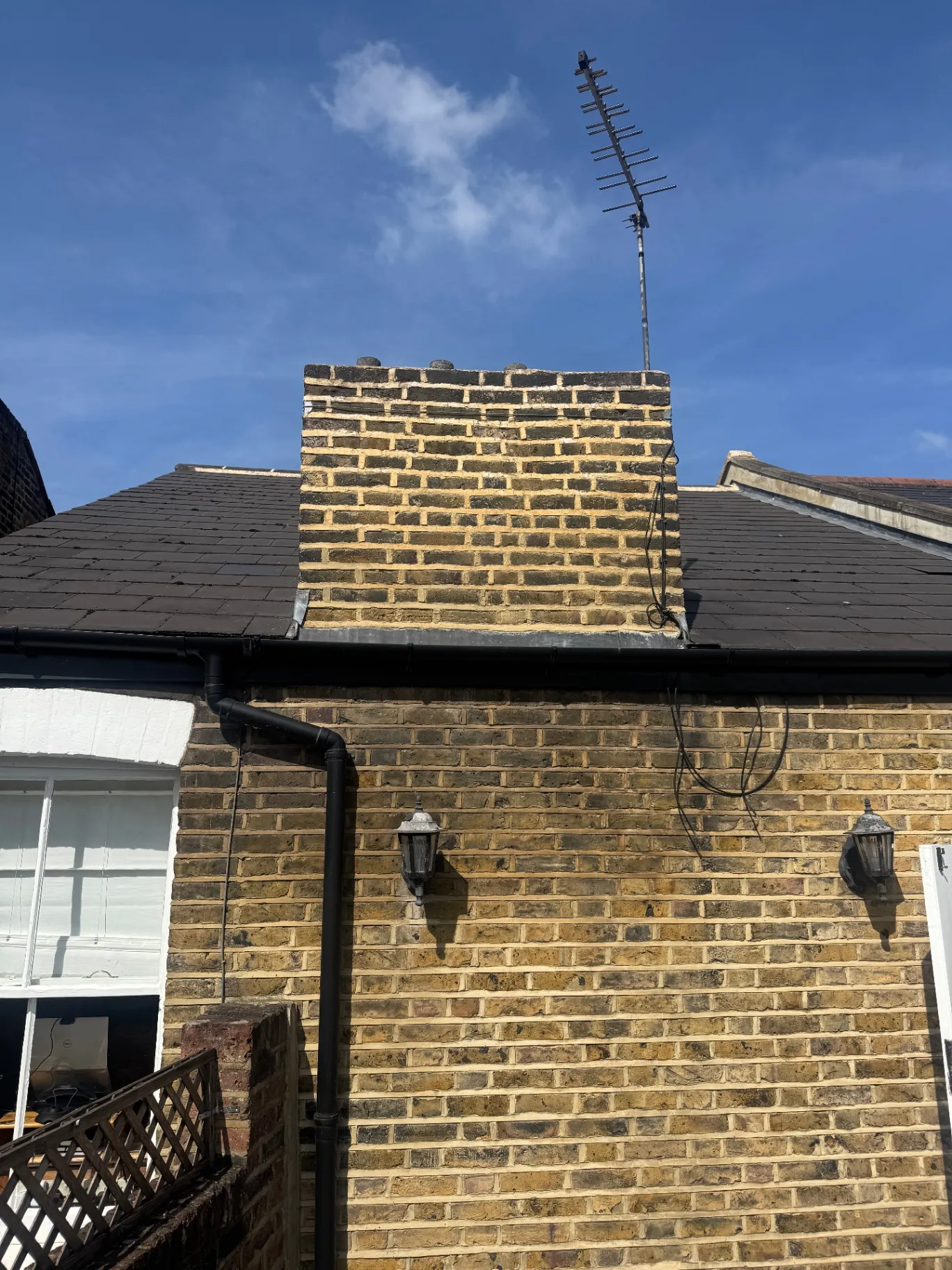
Chimney stack repointing and flashing failure are among the most common RICS survey findings on period homes. Here's what they mean and realistic repair costs.
Your RICS survey flags the flat roof as ‘nearing the end of its serviceable life’ — what does that actually mean? A plain-English guide to flat roof survey findings and realistic repair costs.
Extension costs UK 2026 — real per-m² prices by region, full worked scenarios for terraced, semi and detached homes, hidden extras and FAQs from working builders.
Confused by RICS survey levels? This plain-English guide explains Level 1, 2, and 3 RICS surveys, what the colour ratings mean, and exactly what to do after you get your report.
A RICS survey tells you what is wrong and almost never what it costs. Here is how to turn a list of defects into a costed schedule you can act on, negotiate with, or walk away from.
The length of the list tells you how thorough the surveyor was, not how bad the house is. How to triage the findings, what the timeline to exchange really looks like, and when the right answer is to walk.
Before you hand over thousands of pounds, here's how to verify a builder is legitimate, qualified, and trustworthy. A practical guide to protecting yourself from rogue traders.
Loft conversions are one of the most popular home improvements in the UK, but the planning rules can be confusing. Here's everything you need to know about permitted development, building regulations, and when you do need full planning permission.
With house prices high and moving costs eye-watering, more homeowners are choosing to extend. We break down real 2025 extension costs across the UK — from single storey rear extensions to basements.
Not all builder quotes are created equal. Learn the warning signs that separate a fair, professional quote from one that could cost you thousands in hidden extras and poor workmanship.
Spotting a dream home is thrilling, but hidden structural issues can turn it into a nightmare. Learn the key warning signs to look for during property viewings to avoid costly surprises.
Planning a kitchen renovation in London? Discover the real costs, from budget makeovers to luxury transformations, with insights from a working builder with nearly 30 years on site.
Buying your first home is exhilarating but overwhelming. Learn what to inspect, questions to ask, and tips to avoid buyer's remorse with this systematic checklist from a working builder with nearly 30 years on site.
Master safe DIY with battle-tested insights from seasoned builders. Learn essential safety gear, planning tips, and when to call in the pros to keep your home projects on track.
Get a builder’s eyes on it first. We review RICS surveys, listings, photos and quotes, and tell you in plain English what matters and what it’s likely to cost.
“Fantastic service and will use again, provided comprehensive review and costs for problems identified on survey and informed discussions on potential problems arising once work starts. The service was invaluable. Ben was professional, so helpful and very knowledgeable”
Pay, then send it by WhatsApp or email · written review + call within 24 hours · refund if it isn’t clear