Single Glazing in a Survey: Does It Actually Matter?
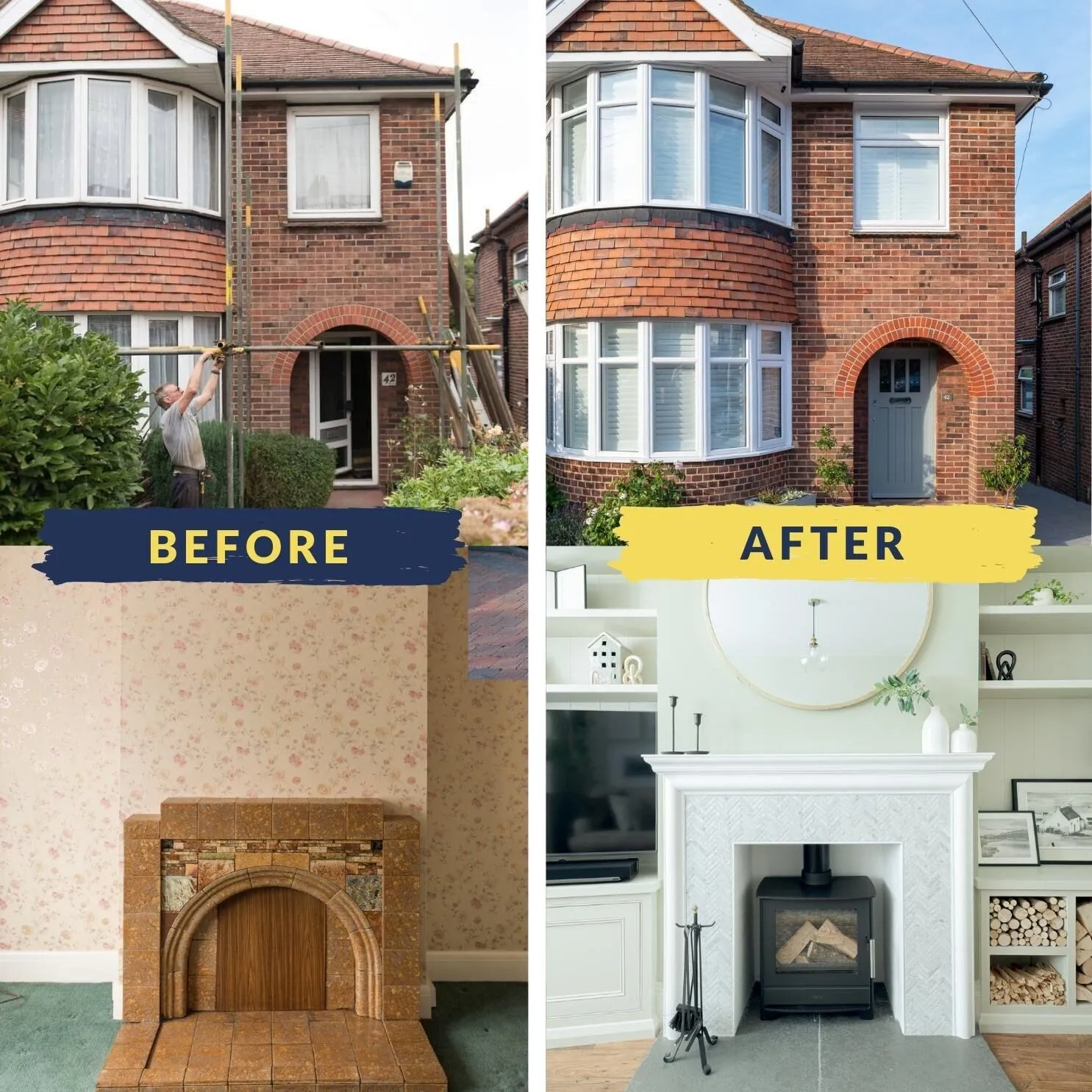
Single glazing appears as a routine observation on the vast majority of surveys for pre-1980s properties, and it's worth understanding it as exactly that — a routine observation, not usually an urgent problem — while still being realistic about what it costs in comfort and energy bills.
Why It's Flagged So Routinely
Double glazing wasn't standard in UK housing until roughly the 1980s onwards, so any older property that hasn't been specifically upgraded will have original single glazing, and a survey will note this factually as part of describing the property's specification — much like noting the age of the roof. It's rarely presented as a defect, more a fact worth knowing when weighing up running costs.
What Single Glazing Actually Costs You
- Higher heat loss — windows are typically among the least thermally efficient parts of a building's envelope, so single glazing does meaningfully increase heating costs compared to double or triple glazing, though the exact impact depends on window area relative to the property's overall size
- More condensation — colder glass surfaces are more prone to condensation forming, which can contribute to mould around window frames and sills if not managed (see our guide on condensation and black mould)
- Less sound insulation — a relevant factor if the property is on a busy road
- No cost or comfort implication for structural integrity — worth stressing: single glazing has no bearing on the building's structural condition, it's purely a thermal/comfort/running-cost consideration
Your Options, Not Just "Replace or Don't"
Do nothing — genuinely valid for many buyers, especially if the windows are otherwise in good condition and the property's heating costs are acceptable to you.
Secondary glazing — an additional internal pane fitted inside the existing window, without replacing the original frame. Significantly improves thermal and sound performance while preserving original windows, and is often the preferred (sometimes the only permitted) option in conservation areas and listed buildings.
Draught-proofing — a much cheaper first step that addresses a meaningful portion of the discomfort (draughts, not just glazing) associated with older windows, often overlooked in favour of jumping straight to a glazing decision.
Slim-profile double glazing — designed to fit within traditional sash or casement frame profiles, offering a middle ground between full replacement and secondary glazing, though at a higher cost than standard double glazing units.
Full replacement with double/triple glazing — the most disruptive and expensive option, and — as with our window frame repair guide — often restricted in conservation areas.
Conservation Areas and Listed Buildings
If the property is listed or in a conservation area, check what's actually permitted before assuming any glazing upgrade route is available — many local authorities favour or require secondary glazing over full window replacement specifically to preserve the appearance of original single-glazed sashes from the street.
Realistic Costs
| Option | Typical cost | Notes |
|---|---|---|
| Draught-proofing (per window) | £40 – £90 | Cheapest meaningful comfort improvement |
| Secondary glazing (per window) | £250 – £600 | Popular conservation-area-friendly option |
| Slim-profile double glazing (per window, matching period profile) | £700 – £1,400 | Higher cost than standard double glazing, preserves appearance |
| Standard double glazing replacement (per window) | £400 – £900 | Where conservation restrictions don't apply |
| Full house re-glazing (10–15 windows, standard double glazing) | £5,000 – £12,000 | Wide range depending on window count, size and material |
What to Do Before You Offer
Don't treat single glazing as a reason to discount your offer significantly unless the windows are also structurally poor — see our rotten window frame guide for that separate assessment. Instead, factor a realistic sense of ongoing heating costs and, if it matters to you, the cost of secondary glazing or draught-proofing as a comfort upgrade you can phase in over time rather than something urgent.
How Chat to Your Builder Helps
For £59, we'll help you weigh up single glazing findings from your survey against realistic upgrade costs and options, including what's likely permitted if the property is in a conservation area.
We've helped buyers weigh up glazing decisions on period properties across London, Bath, Edinburgh, Oxford and Cheltenham. See our related guides on rotten window frames and external door and threshold issues.
Book your consultation today and get a proportionate view of what single glazing actually means for your budget.
Frequently asked questions
Is single glazing a structural problem?
No — it's purely a thermal, comfort and running-cost consideration with no bearing on a building's structural condition. It's worth understanding for its impact on heating bills, but it shouldn't be treated the same way as a genuine structural survey finding.
Is secondary glazing as effective as full double glazing replacement?
It offers a meaningful thermal and sound improvement over single glazing alone, though generally not quite matching modern double glazing's performance. Its main advantage is preserving original windows while significantly improving comfort, which matters both for character and, often, for conservation area compliance.
Can I replace single glazing with double glazing in a listed building?
Often not with standard modern units — listed buildings and many conservation areas require preserving the original window's appearance, meaning secondary glazing or slim-profile double glazing matching the historic frame profile is usually the permitted route rather than standard replacement.
Work it out yourself
Free tools built on real 2026 builder rates. No sign-up, no email.