External Door and Threshold Issues: What Surveys Flag and What They Cost
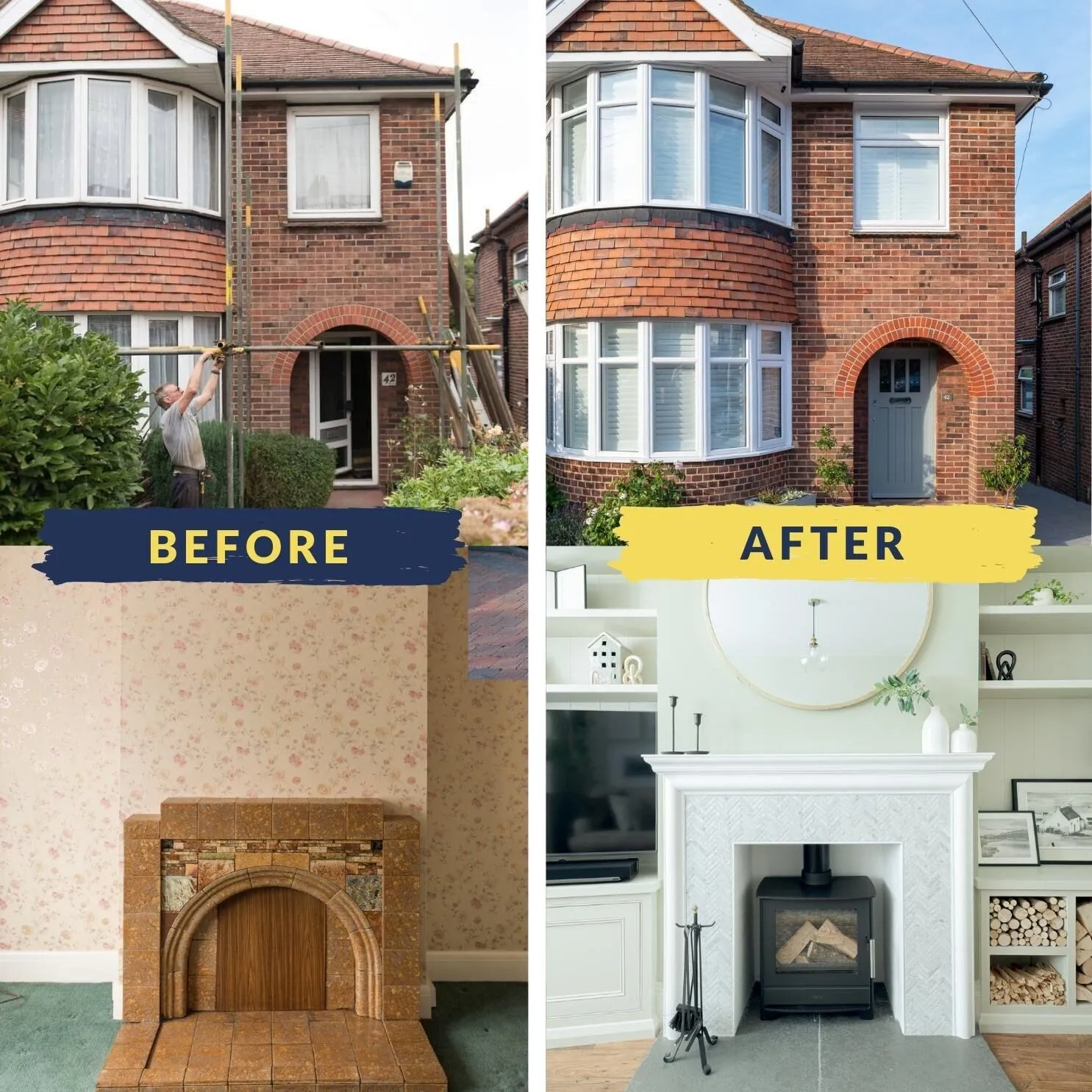
External doors don't get the same attention as roofs or damp in most survey conversations, but issues here affect security, weatherproofing and energy efficiency, and problems are often cheap to fix if caught early — or a sign of something more significant (like frame movement) if ignored.
Common Findings and What They Actually Mean
Sticking or difficult-to-close doors Usually one of two causes: seasonal timber swelling (worse in humid weather, resolves partially in dry conditions) or the frame having moved slightly out of square. If it's a longstanding, consistent issue rather than seasonal, it's worth checking whether it correlates with any cracking nearby (see our guide on cracks in walls), since door and window frames going out of square is one of the classic secondary signs of structural movement.
Worn or rotten thresholds The threshold (the strip at the base of the door frame) takes constant foot traffic and weather exposure, making it one of the first parts of a door assembly to wear out or rot. Usually a straightforward, contained repair rather than a sign of anything more serious.
Gaps and draughts around the frame Common on older doors, and while not a structural concern, it's a meaningful, cheap-to-fix energy efficiency issue — a well-draught-proofed door makes a noticeable difference to a hallway's comfort and the property's overall heating costs.
Non-compliant or missing multi-point locking Increasingly checked as a security consideration; older doors with a single mortice lock offer less security than modern multi-point locking systems, and some buyers factor this into either their offer or their immediate to-do list.
Composite or uPVC door panel issues On newer doors, look for delamination (panels separating or bubbling) or misaligned hinges, both signs of either poor original installation or a door reaching the end of its practical life.
Reading Survey Language
"External door frames show signs of wear, general maintenance recommended" — routine, low-priority observation, not a red flag.
"Door frame appears out of square, monitor for further movement" — worth cross-referencing against any cracking findings elsewhere in the survey; could be linked to broader settlement or, rarely, more active movement.
"Threshold shows signs of rot, recommend repair to prevent water ingress" — sensible to action reasonably promptly, since a failed threshold can let water into the subfloor area if left long enough, turning a small job into a bigger one.
Realistic Costs
| Job | Typical cost | Notes |
|---|---|---|
| Door adjustment/rehang (sticking door) | £60 – £150 | Quick fix for most cases |
| Draught-proofing, external door | £80 – £180 | Includes frame seals and letterbox brush if needed |
| Threshold repair/replacement | £150 – £400 | Cheaper than letting water damage spread to the subfloor |
| New composite front door, supplied and fitted | £900 – £1,800 | Popular modern replacement option, good security and thermal performance |
| New timber front door (period-matching, supplied and fitted) | £700 – £1,600 | Often preferred or required in conservation areas |
| Multi-point locking upgrade | £250 – £500 | Security improvement on an otherwise sound existing door |
What to Do Before You Offer
Test every external door during your viewing if you can — open, close, lock. Sticking is common and rarely serious, but note it and ask about it, particularly if it correlates with cracking or uneven floors nearby, since that combination is worth a second look rather than dismissing each issue individually.
How Chat to Your Builder Helps
For £59, we'll look at your survey's door and threshold findings alongside any other structural notes, help you judge whether it's routine maintenance or worth a closer look, and give you realistic costs either way.
We've helped buyers assess external door and joinery condition on properties across Bristol, Leeds, Coventry, Southampton and Portsmouth. See our related guides on rotten window frames and single glazing.
Book your consultation today and get a clear read on your survey's door and joinery findings.
Frequently asked questions
Does a sticking door always mean structural movement?
No — it's most commonly seasonal timber swelling or minor frame wear, both routine. It's only worth deeper investigation if it correlates with other signs like nearby cracking or if it's a new, worsening issue rather than a longstanding seasonal one.
Is a worn threshold urgent to fix?
Not urgent in the sense of immediate risk, but it's sensible to action reasonably promptly, since a failed threshold can eventually let water into the subfloor area, turning an inexpensive repair into a larger one if left for years.
Are composite doors better than timber for a period property?
It depends on the property and any conservation area restrictions — composite doors offer strong thermal and security performance, but many conservation areas and listed buildings require timber doors matching the property's original character, so it's worth checking local planning rules before deciding.
Work it out yourself
Free tools built on real 2026 builder rates. No sign-up, no email.