Underpinning Costs UK: When You Actually Need It (and When You Don't)
The short answer: traditional underpinning to one wall of a typical three-bed semi averages about £13,500 in 2026, and often lands between £13,500 and £23,500. A shorter section or bay is often £8,000–£20,000, resin injection £6,000–£15,000 where the ground suits it, and a whole elevation £25,000–£60,000 or more. They're the same job at different sizes. Most cracked houses never get there: once monitoring shows the movement has stopped, crack repair is usually £500–£3,000. These are a builder's figures, from someone who doesn't sell underpinning.
"Underpinning" is a word that can end a house purchase on the spot — and understandably so, given the cost and disruption involved. But it's also one of the most over-recommended repairs in the industry, partly because some structural engineers and contractors default to it as the safest recommendation to make, even when a far less invasive (and less expensive) fix would genuinely solve the problem.
What Underpinning Actually Is
Underpinning extends a building's foundations deeper, or transfers its load to new foundations, typically because the existing foundations aren't providing adequate support — usually due to subsidence, but sometimes because of an extension or additional storey needing the foundations to support extra load.
It's genuinely major structural work: excavating below the existing foundation in sections, pouring new concrete foundations deeper than the problem (whether that's unstable clay, a tree root zone, or made-up ground), and allowing it to cure before moving to the next section. It typically takes weeks, not days, and the property is often not fully habitable during the work.
When Underpinning Is Genuinely Necessary
- Confirmed, ongoing subsidence where crack monitoring has shown active movement, not historic settlement (see our guide on subsidence vs settlement vs thermal movement)
- Foundations proven inadequate for a planned extension or additional storey, where a structural engineer's calculations show the existing foundation can't bear the new load
- Subsidence caused by a removed tree where the ground will continue heaving/shrinking as it re-equilibrates over years, and monitoring confirms ongoing movement
- Made-up or contaminated ground discovered to be inadequate for the building's current foundations, usually via trial pit investigation
When It's Often NOT Actually Necessary
This is the part worth taking seriously before you accept a five-figure quote:
Historic, stabilised subsidence — if crack monitoring over several months shows no ongoing movement, many structural engineers will recommend simply repairing the cracks (crack-stitching, repointing) rather than underpinning, since the cause of the original movement is no longer active.
Subsidence caused by a tree that's since been removed — sometimes monitoring shows the ground has already stabilised, or will do so without underpinning, particularly if the tree was removed some time ago and no further movement is being recorded.
Minor, localised movement — sometimes a much smaller, targeted repair (mass concrete underpinning of a short section, or resin injection techniques) resolves the specific problem without needing to underpin the entire foundation run.
Fear-driven over-specification — some engineers, particularly those without a direct financial interest but working cautiously to limit liability, will recommend underpinning as the "safe" answer even when monitoring data doesn't clearly support it being necessary. This is exactly the situation where a second opinion earns its cost many times over.
Realistic Costs
| Type of work | Typical cost | Notes |
|---|---|---|
| Crack monitoring (pre-decision) | £300 – £800 | Always worth doing before committing to any structural repair route |
| Structural engineer's full report | £500 – £1,500 | Get an independent one — not from the company that would do the underpinning work |
| Localised/mass concrete underpinning (single section) | £8,000 – £20,000 | For confined, well-defined problems |
| Traditional underpinning, one wall of a typical 3-bed semi | £13,500 – £23,500 | Averages about £13,500, the figure used in the survey repair cost calculator |
| Resin injection underpinning (less invasive alternative) | £6,000 – £15,000 | Faster and less disruptive than traditional underpinning where suitable |
| Full traditional underpinning (whole affected elevation) | £25,000 – £60,000+ | Major structural project; get at least two independent quotes |
| Alternative: crack repair only (where movement confirmed stable) | £500 – £3,000 | A fraction of underpinning cost — appropriate when monitoring shows no ongoing movement |
Resin Injection Underpinning: Cost and When It Works
Resin injection is the option most buyers have never heard of until a contractor mentions it. Small holes are drilled through the floor or at the base of the wall, and an expanding resin is injected into the ground under the foundation. It fills voids, stiffens loose ground and can lift a slab or footing slightly.
- Typical cost: £6,000–£15,000 for a house, depending on how long a run of wall is affected and how much resin goes in
- Time on site: usually days rather than weeks, with no deep digging and often no need to move out
- Works best: where the problem is shallow, such as loose fill, or ground washed out by a leaking drain (fix the drain first, or it will happen again)
- Less certain: where deep clay is shrinking and swelling under a thirsty tree. There, an engineer may still recommend traditional underpinning, or managing the tree
Ask the engineer two questions before you accept resin or traditional underpinning: what is causing the movement, and why this method suits that cause. A contractor who only sells one method will always recommend that method.
Underpinning a Victorian House
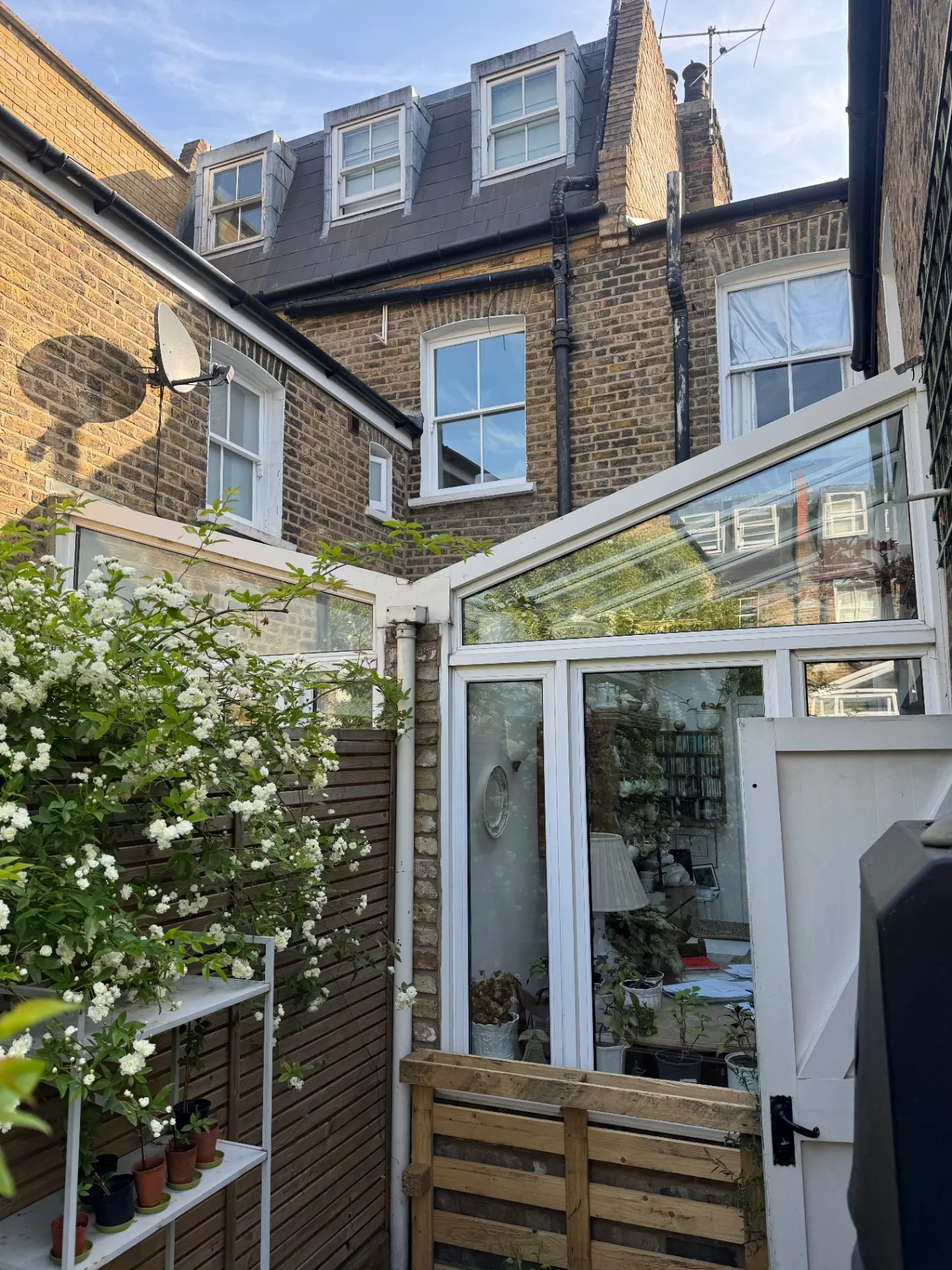
Victorian and Edwardian houses usually sit on shallow brick footings, sometimes less than a metre down, so they react to clay shrinkage and leaking drains more than modern houses do. The good news is that the movement is often local, at a bay window or a rear corner, rather than the whole house.
In practice that usually means a single section or bay (roughly £8,000–£20,000) rather than full underpinning of an elevation (£25,000–£60,000+). On a terrace, work near the party wall may also need a party wall notice to the neighbours. See bay window cracking for the most common Victorian case.
Insurance and Underpinning
If subsidence is confirmed and covered by the current owner's buildings insurance, the insurer will typically manage and fund the investigation and any necessary underpinning — but this affects future insurability and premiums for the property, sometimes significantly, and you should ask for full details of any claim history and the resulting insurance-backed guarantee before proceeding with a purchase.
What to Do Before Accepting an Underpinning Recommendation
- Get crack monitoring data, not just a single-visit assessment — a proper diagnosis needs to see whether movement is actually ongoing
- Get a second, genuinely independent structural engineer's opinion, ideally one who isn't also quoting to carry out the underpinning work
- Ask specifically whether a less invasive alternative was considered — resin injection, localised underpinning, or simple crack repair — and why it was ruled out
- Check any existing insurance-backed guarantee if underpinning has already been done on the property historically
How Chat to Your Builder Helps
For £59, we'll review any structural engineer's report or underpinning recommendation you've received, help you understand whether it matches what the monitoring data actually shows, and flag if a second opinion looks worth pursuing before you commit to major structural work.
We've helped buyers navigate underpinning questions on properties across London, Basildon, Swindon, Milton Keynes and Northampton. See our related guides on subsidence vs settlement vs thermal movement and bay window cracking.
Get builder advice about your cracks and a second opinion before you commit to underpinning.
Frequently asked questions
Is underpinning always necessary if a RICS survey mentions subsidence?
No. Subsidence needs to be confirmed as ongoing (usually via several months of crack monitoring) before underpinning is the right answer. Historic subsidence that has stabilised often only needs crack repair, at a fraction of the cost.
How long does underpinning take?
Typically several weeks, sometimes longer for a full elevation, because the work is done in sections with concrete curing time between each. The affected part of the property is often not fully usable during the work.
Does underpinning affect a property's insurance and value long-term?
It can. Properties with a history of subsidence and underpinning sometimes face higher insurance premiums or more limited insurer choice afterwards, even with a proper insurance-backed guarantee in place. It's worth checking this before finalising a purchase, not after.
Should I buy a house that has been underpinned?
It depends almost entirely on the paperwork. Underpinning done properly, decades ago, with an engineer’s certificate and a movement history that has since been stable is a settled matter and many lenders are comfortable with it. Recent underpinning, or underpinning with no documentation, is a harder sell and will narrow both your mortgage and your insurance options — and the insurer of the original claim often has to continue cover. Ask for the engineer’s report and the claim history before you offer, not during the conveyancing.
How much does resin injection underpinning cost in the UK?
Typically £6,000 to £15,000 for a house, depending on the length of wall affected and the volume of resin needed. It is quicker and less disruptive than traditional underpinning, but it suits shallow problems such as loose or washed-out ground better than deep clay shrinkage caused by trees.
How much does it cost to underpin a Victorian house?
Most Victorian underpinning is partial, at a bay or a corner, and typically costs £8,000 to £20,000 for a single section. Full underpinning of a whole elevation runs £25,000 to £60,000 or more. Get crack monitoring and an independent engineer’s report before committing to either.
Can underpinning be priced from a survey without a site visit?
Not from a survey alone, and nobody should try. Underpinning depends on the engineer's design and the ground. Once you have a structural engineer's report with a scheme in it, a builder can give a realistic range for that scheme without visiting.
Work it out yourself
Free tools built on real 2026 builder rates. No sign-up, no email.