Survey Mentions Movement or Cracking? What to Do Next
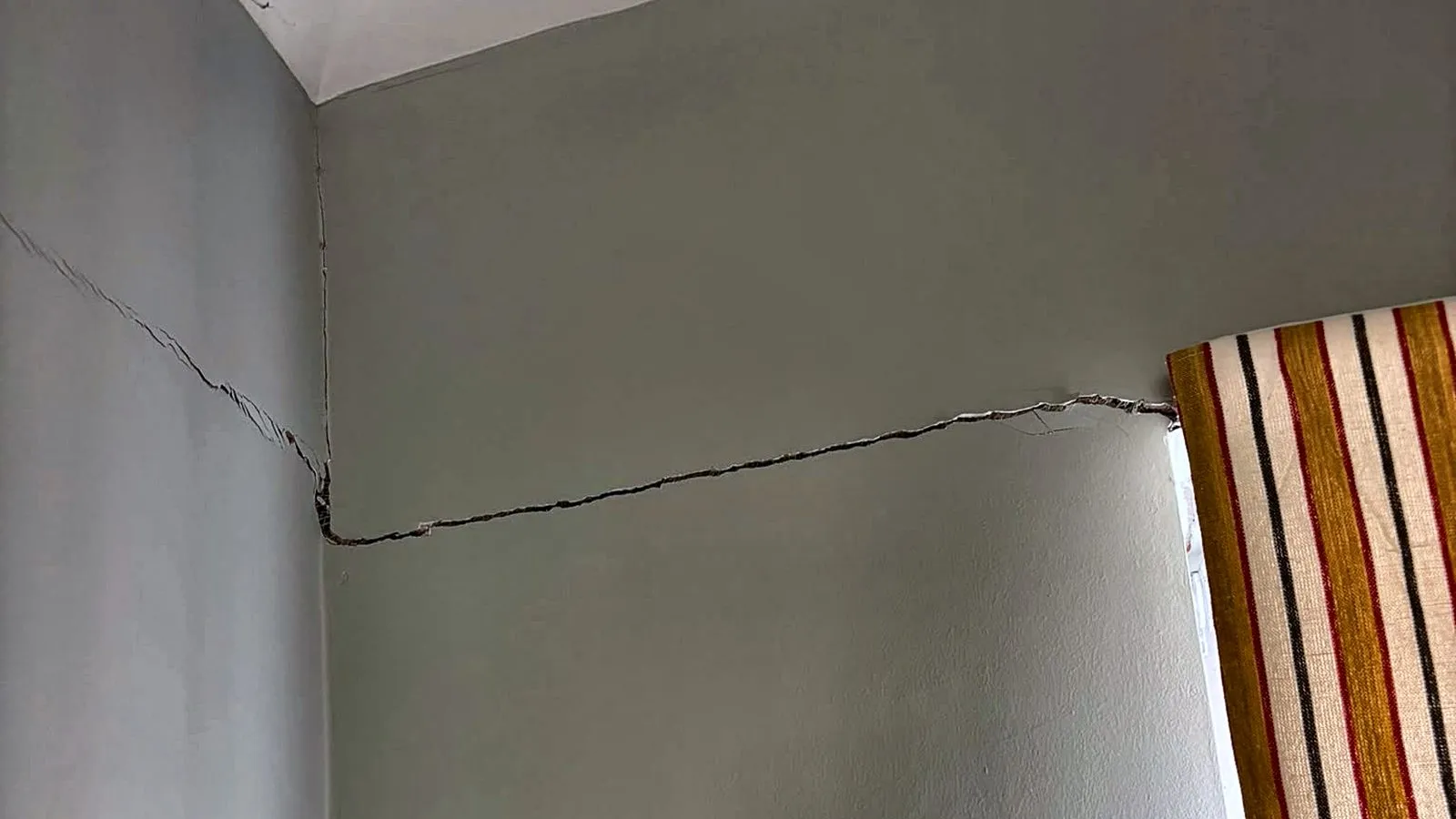
The word "movement" in a survey is enough to make most buyers think about pulling out. Usually that isn't needed. Most cracking in British houses is thermal movement, settlement that stopped long ago, or a lintel problem. Actual subsidence is comparatively rare. But the survey on its own usually can't tell you which one you have, and that's the question you need answered before you exchange.
Does movement on a survey mean subsidence?
Usually not. Most cracking in British houses is thermal movement, settlement that stopped long ago, or a lintel problem, and actual subsidence is comparatively rare. The question that matters is whether the movement is historic or active, and the surveyor's exact wording tells you how sure they were.
Read the wording closely:
- "Consistent with historic settlement" means the surveyor is reasonably confident it's old and stable.
- "Recommend a structural engineer" means they want more certainty before ruling out active movement, often because the crack is wide, looks recent, or comes with other signs like sticking doors and windows.
- "Signs of separation" or similar is more significant, because there's visible physical movement.
A crack that tapers, shows on both sides of the wall and comes with sticking doors is the pattern to get looked at properly. Our crack severity checker grades a crack against the BRE scale, and cracks in walls: subsidence, settlement or thermal movement explains the difference.
What paperwork should I ask the seller for?
Through your conveyancer, ask for details of any insurance claim, structural engineer's reports, monitoring results, and a Certificate of Structural Adequacy or equivalent sign-off if repairs were done. Ask too whether the seller's insurer will continue cover for a new owner, but don't assume a policy transfers.
Our guide to buying a house with past subsidence lists what to ask for.
How much does a structural engineer's report cost?
Typically £500 to £1,200. If the engineer can't tell on one visit, they may recommend crack monitoring over six to twelve months, at £400 to £900 for the programme. If monitoring is recommended and you can't wait that long, that is a reasonable ground to walk away.
Both figures come from our guide to further investigation recommended.
Insurance is worth checking early too. Our guide to subsidence and home insurance explains what to ask.
Get a builder's read before you decide
The £59 survey review looks at the whole report, not just the cracks: what each finding means, which ones matter, and realistic repair ranges, so you can decide whether to commission an engineer, renegotiate or walk. Written review plus a call within 24 hours.
Written by Ben Murrell, a builder for nearly 30 years who started as an apprentice in the late 1990s. FMB member and public liability insured. He never quotes for or carries out the work he reviews, and takes no commission.
Related: Amber / Condition Rating 2: what now · Survey found damp? · Buying a house with past subsidence · How to negotiate the price after a survey · Cracks in walls · Cracks above doors and windows · Lintel problems · Bay window cracking · Structural engineer report cost · Should I pull out after a survey?
Frequently asked questions
Does movement on a survey mean subsidence?
Usually not. Most cracking in British houses is thermal movement, settlement that stopped long ago, or a lintel problem. Actual subsidence is comparatively rare, but the survey alone often can't tell you which it is.
How much is a structural engineer's report?
Typically £500 to £1,200. If the engineer can't tell on one visit, crack monitoring over six to twelve months costs around £400 to £900 for the programme.
What paperwork should I ask the seller for?
Through your conveyancer: details of any insurance claim, structural engineer's reports, monitoring results, and a Certificate of Structural Adequacy or equivalent sign-off if repairs were done.
Work it out yourself
Free tools built on real 2026 builder rates. No sign-up, no email.