Survey Found Damp? What to Do Next, Before Anyone Quotes
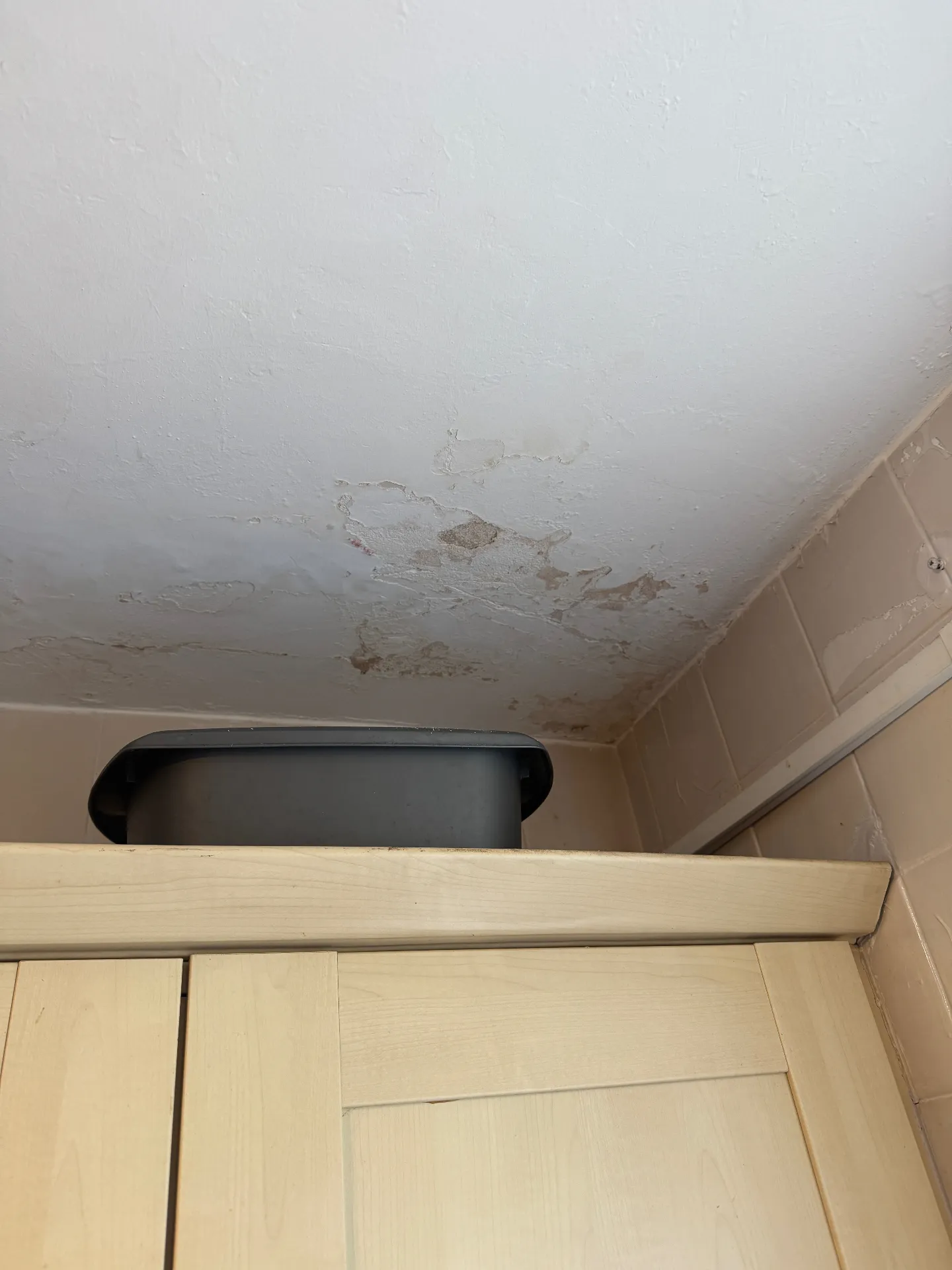
"Damp" is one of the most feared words in a survey, and one of the most misunderstood. Before you ring anyone, it helps to know that "damp" covers several different problems with very different fixes, and the first person offering to look isn't always the right one.
What type of damp has my survey found?
Usually not rising damp. In UK housing, condensation is by far the most common kind, penetrating damp comes second, plumbing leaks third and true rising damp a distant fourth. Where the damp sits, whether it worsens after rain and whether there's black mould are the clues to which one you have.
In UK housing, condensation is by far the most common kind of damp, penetrating damp comes second, plumbing leaks third, and true rising damp a distant fourth. Read the surveyor's wording closely:
- Damp that worsens after heavy rain, or sits near a gutter, chimney or window, points towards penetrating damp, where the fix is usually on the outside of the wall.
- Black mould in corners, around windows and in bathrooms, worse in winter, usually points to condensation and ventilation.
- "Damp meter readings elevated at skirting level" isn't a diagnosis on its own. Electronic damp meters can give false high readings from plaster salts, foil-backed wallpaper or wiring behind the wall.
Our guide to rising damp vs penetrating damp goes through the signs in more detail.
Should I get a free damp survey?
Be wary. A free survey from a company that sells damp-proofing is often a sales visit that ends in a chemical damp-proof course. An independent damp surveyor with no remedial arm charges £300 to £600, and frequently finds a blocked air brick, a bridged damp-proof course or a leaking gutter instead.
If your surveyor recommends a damp and timber report, who you call matters. A damp-proofing contractor will often inspect for free and recommend a chemical damp-proof course, injection, replastering and a guarantee. An independent damp surveyor with no remedial arm charges £300 to £600 (see further investigation recommended), and frequently finds a blocked air brick, a bridged damp-proof course or a leaking gutter instead.
One check you can do yourself first: the external ground level should sit at least 150mm below the damp-proof course. Raised paths, patios and flower beds bridging it are one of the most common causes of what gets called rising damp.
The difference matters. On our damp guide, lowering a bridged ground level is £500 to £2,000, while a chemical or physical damp-proof course is £2,000 to £5,000.
Should I pull out if the survey found damp?
Not automatically. Many causes of damp cost far less to fix than a damp-proof course: on our damp guide, lowering a bridged ground level is £500 to £2,000, against £2,000 to £5,000 for a damp-proof course. Get the type of damp worked out before exchange, while you can still renegotiate or walk away.
If there's evidence of previous damp-proofing, ask what was done and when, and whether there's a guarantee (our guide to timber treatment guarantees explains what they are worth).
Get a builder's read on the damp
For £59, a builder reads your survey's damp findings and any photos, helps you work out which type you're dealing with, and gives you a realistic cost, without steering you towards a damp-proof course you may not need. Written review plus a call within 24 hours.
Written by Ben Murrell, a builder for nearly 30 years who started as an apprentice in the late 1990s. FMB member and public liability insured. He never quotes for or carries out the work he reviews, and takes no commission.
Related: Amber / Condition Rating 2: what now · Survey mentions movement? · How to negotiate the price after a survey · Mortgage retention on a valuation · Damp-proofing costs · Condensation and black mould · Damp coming through brick walls · Damp diagnosis tool · Damp and rot advice
Frequently asked questions
My survey found damp. Should I pull out?
Not automatically. Condensation and penetrating damp are far more common than true rising damp, and many causes are cheaper to fix than a damp-proof course. Get the type of damp worked out before exchange, while you can still renegotiate or walk away.
Should I get a free damp survey?
Be wary. A free survey from a company that sells damp-proofing is often a sales visit. An independent damp surveyor with no remedial arm typically charges £300 to £600.
What can I check myself?
Check that the external ground level sits at least 150mm below the damp-proof course. Raised paths, patios and flower beds bridging it are one of the most common causes of what gets called rising damp.
Work it out yourself
Free tools built on real 2026 builder rates. No sign-up, no email.