Roof Spread in a Survey: What It Means and What It Costs to Fix
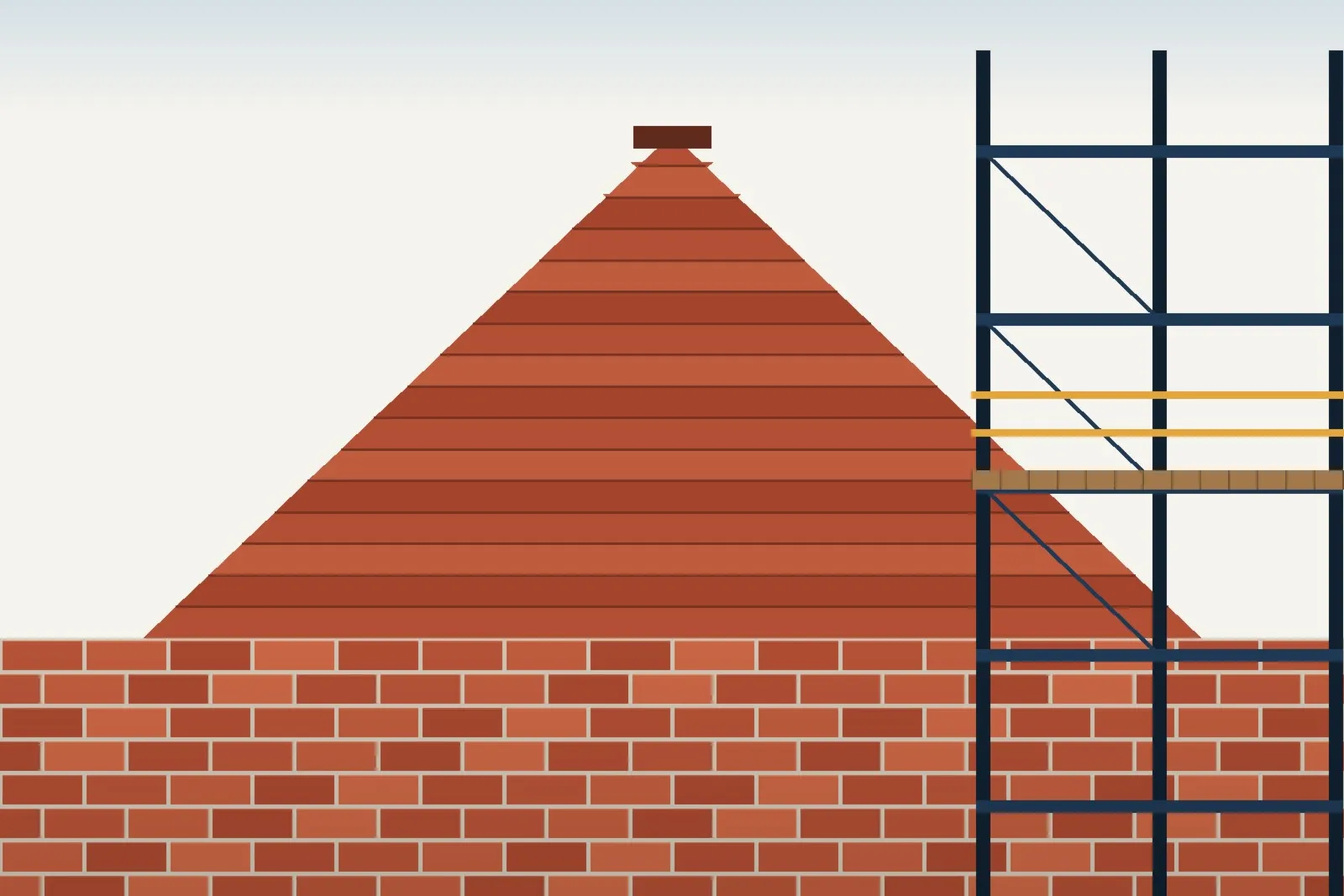
"There is evidence of roof spread" is one of those survey lines that sounds worse than it usually is. It's common in Victorian and Edwardian houses, it's very often old, and it's normally fixable without rebuilding anything. But it does need looking at before you exchange, because the cause decides the cost.
What roof spread actually is
A pitched roof is a triangle. The rafters lean against each other at the ridge, and their bottom ends push outwards on the tops of the front and back walls. Something has to hold those feet together, usually the ceiling joists, which are nailed to the rafters and act as ties across the house.
When that tie is weak, missing or has been cut, the rafters push the tops of the walls outwards. That's roof spread.
What causes it
- Ceiling joists or ties removed or cut, often to make room in the loft, fit a water tank or do a loft conversion without proper design
- Heavy concrete tiles on a roof built for slate. Concrete tiles are much heavier than the slates many older roofs were designed for, and re-roofing with them was common from the 1950s onwards
- Weak joints where the ceiling joists meet the rafters, sometimes made worse by rot in the wall plate
- Purlins that were too small or poorly supported, so the rafters sag and push harder
The signs your surveyor will have seen
- The tops of the front or back walls leaning out, often visible as a bulge just under the gutter
- Cracks where the walls meet the ceiling in the top-floor rooms, sometimes a gap opening at the top of a wall
- A dip in the ridge, or a roof slope that looks wavy
- Cracking at the eaves or in the brickwork near the top of the wall
In the loft, the giveaway is ceiling joists that no longer run across from wall to wall, or that are no longer fixed to the rafter feet.
Is it still moving?
That's the question that matters. A lot of roof spread happened decades ago, when the roof was recovered or the loft was altered, and has long since stopped. Old movement with cracks that haven't reopened is usually repaired as part of normal maintenance. Active movement, where cracks are new or growing, needs dealing with before it does more damage.
If your surveyor recommends a structural engineer, follow that advice. An engineer's visit and letter typically costs £300–£600, and it will tell you whether the movement is historic and what tying-in is needed.
What the fix usually involves
Most roof spread is fixed by tying the roof back together rather than rebuilding it:
- New ties or collars fixed across the rafters, or new ceiling joists bolted to the rafter feet
- Steel restraint straps fixing the wall plate and roof timbers to the walls
- Repairing the wall head: repointing or rebuilding a few courses of brick at the top of a bulged wall
- Lightening the load: if heavy concrete tiles are the cause, re-roofing in a lighter material at the next re-cover
Rough costs
These are my rough 2026 figures for a typical terraced or semi-detached house. Access and scaffolding make a big difference, so treat them as ranges to check against a quote:
- Structural engineer's inspection and letter: £300–£600
- Tying in from inside the loft (new ties, straps, joist repairs): £1,000–£3,500
- Rebuilding the top of a bulged wall, with scaffolding: £2,500–£7,000
- Re-roofing in a lighter covering if the tiles are the cause: usually £8,000–£18,000, the same as any re-roof
The first item is the cheap one, and often all that's needed. The bigger figures only apply if the walls have moved far enough to need rebuilding, or the roof covering is due anyway.
What to do before you exchange
- Read exactly what the surveyor wrote: historic or ongoing, and whether they recommend an engineer.
- Ask the seller whether the roof has been recovered or the loft altered, and when. Ask for any building regulations sign-off for a loft conversion.
- Get the engineer's letter if recommended. It's the document that turns "roof spread" into a priced job.
- Get the repair priced, then decide whether to go ahead, renegotiate or walk. How much you can negotiate off after a survey has the wording.
Related: roof covering aged on a survey · what a new roof costs · no building regulations sign-off
Frequently asked questions
What is roof spread?
Roof spread is when the rafters of a pitched roof push the tops of the front and back walls outwards, because the ties holding the rafter feet together, usually the ceiling joists, are weak, missing or have been cut.
Is roof spread serious?
It can be, but much of it is old movement that stopped years ago. The key question is whether it is still moving. If your surveyor recommends a structural engineer, get one before exchange; most roof spread is fixed by tying the roof back together rather than rebuilding it.
How much does it cost to fix roof spread?
As a rough guide, tying the roof back together from inside the loft typically costs £1,000 to £3,500. If the top of a wall has bulged and needs rebuilding with scaffolding, expect £2,500 to £7,000. An engineer’s inspection first is usually £300 to £600.
Can heavy roof tiles cause roof spread?
Yes. Concrete tiles are much heavier than the slates many older roofs were designed for. Re-roofing a Victorian or Edwardian house in concrete tiles is a common cause of roof spread and sagging ridges.
Does roof spread affect a mortgage?
It can if the valuer is concerned. A lender may ask for a structural engineer’s report, or hold back part of the loan until the repair is done. An engineer’s letter confirming the movement is historic usually resolves it.
Can roof spread be priced from the survey, without a roofer visiting?
Roughly, yes. A survey usually describes the bowing, the ridge line and the state of the ceiling ties, which tells a builder whether it is a tie-in job or something bigger. If the surveyor has recommended a structural engineer, the repair can only be priced properly once the engineer has looked.
Work it out yourself
Free tools built on real 2026 builder rates. No sign-up, no email.